Did You Know?
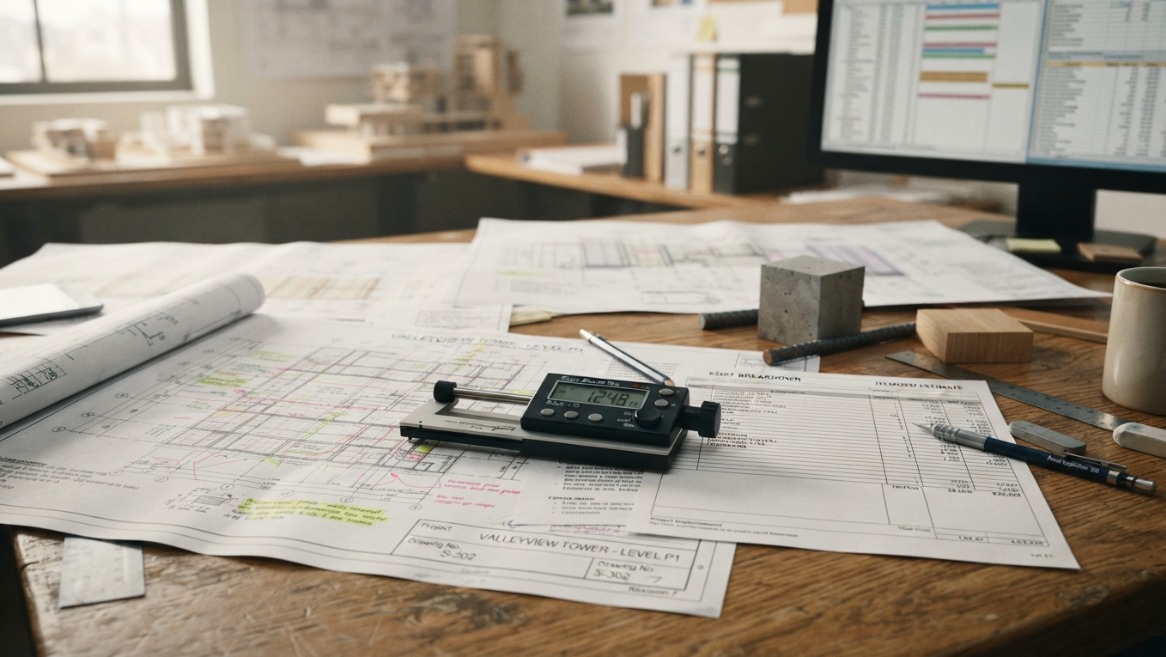
A team of researchers at the University of Oxford has studied more than 16,000 big projects around the world. They found that fewer than half finished on budget, and only about one in every 200 finished on budget, on time, and delivered everything that was promised.
The Numbers Behind the Career
The median annual salary for cost estimators/construction estimators was $78,740 in 2025.
There were about 226,400 cost estimators, including construction estimators, in the United States in 2025.
About 17,600 openings for cost estimators (including construction estimators) are expected each year over the next decade.
Where This Career Is Headed
Construction estimating is being reshaped by software that can measure drawings, count materials, and compare costs far faster than a person working by hand. Estimating tools now connect to building information modeling (BIM), where a 3D model of a building carries data on every wall, pipe, and fixture, and to large cost databases updated for hundreds of locations. The U.S. Bureau of Labor Statistics expects this technology to reduce the number of estimators needed, since each one can handle more work. At the same time, companies still need accurate cost projections to stay profitable, and the estimators who thrive over the next decade will likely combine construction knowledge with strong software, data, and communication skills rather than relying on counting alone.
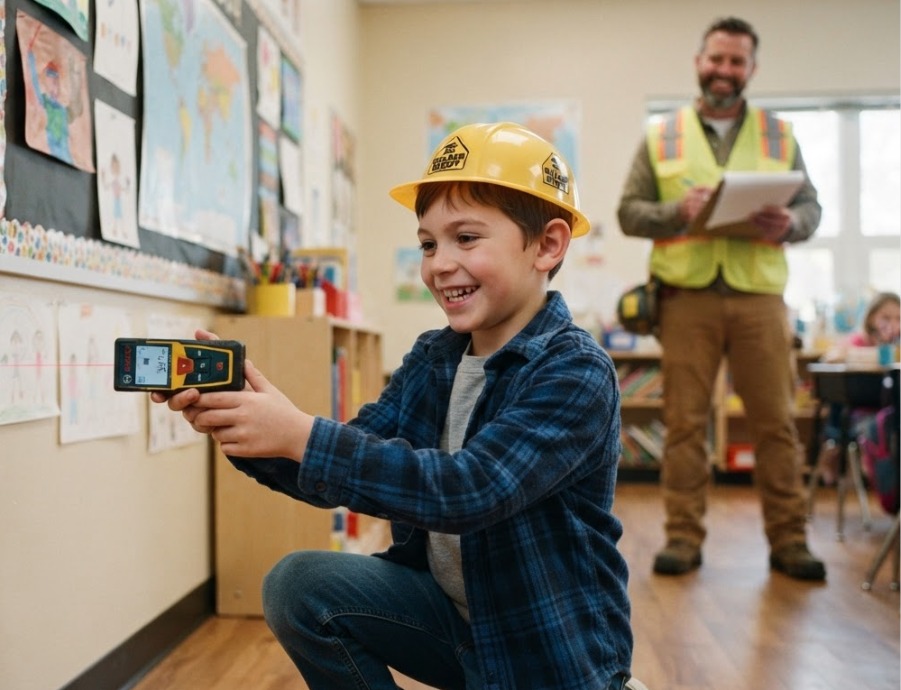
Building information modeling links estimates directly to 3D building models, so estimators who master BIM can price design changes almost instantly and become valuable early in a project, not just at bid time.
As cost databases and estimating software grow more sophisticated, estimators who understand data analysis can spot patterns in past project costs and make more accurate predictions than ever before.
Experienced estimators can move into related roles such as construction management, project management, or preconstruction leadership, where their understanding of cost and risk is in high demand.

Education & Certification
Construction cost estimators typically need a bachelor's degree in a related field such as construction management, construction science, or engineering. Employers generally prefer candidates with a degree, but workers with several years of experience in construction, for example, as a tradesperson or field supervisor, sometimes qualify without one. Most estimators also receive on-the-job training in estimating techniques and in software such as building information modeling (BIM), computer-aided design (CAD), and specialized estimating programs. No license is required, but professional certification can help estimators advance. The American Society of Professional Estimators offers the Certified Professional Estimator (CPE) credential for experienced estimators, the oldest accredited certification for estimators in the United States, as well as the Associate Estimating Professional (AEP) credential for those early in their careers.
To Prepare...
Build a strong foundation in math, including algebra and geometry, and take business, economics, and computer classes, since estimating combines all of them every day.
Take any construction, drafting, computer-aided design, or engineering classes your school offers so you can learn to read technical drawings, which is the starting point of every estimate.
Look for hands-on experience through a summer job or internship with a contractor, a construction-related after-school program, or a family building project where you can practice counting materials and tracking costs.
Spotlight: Explore the Life of a Construction Estimator

Robert Snow Means
Learn More
Bent Flyvbjerg
Learn More