
Did You Know?
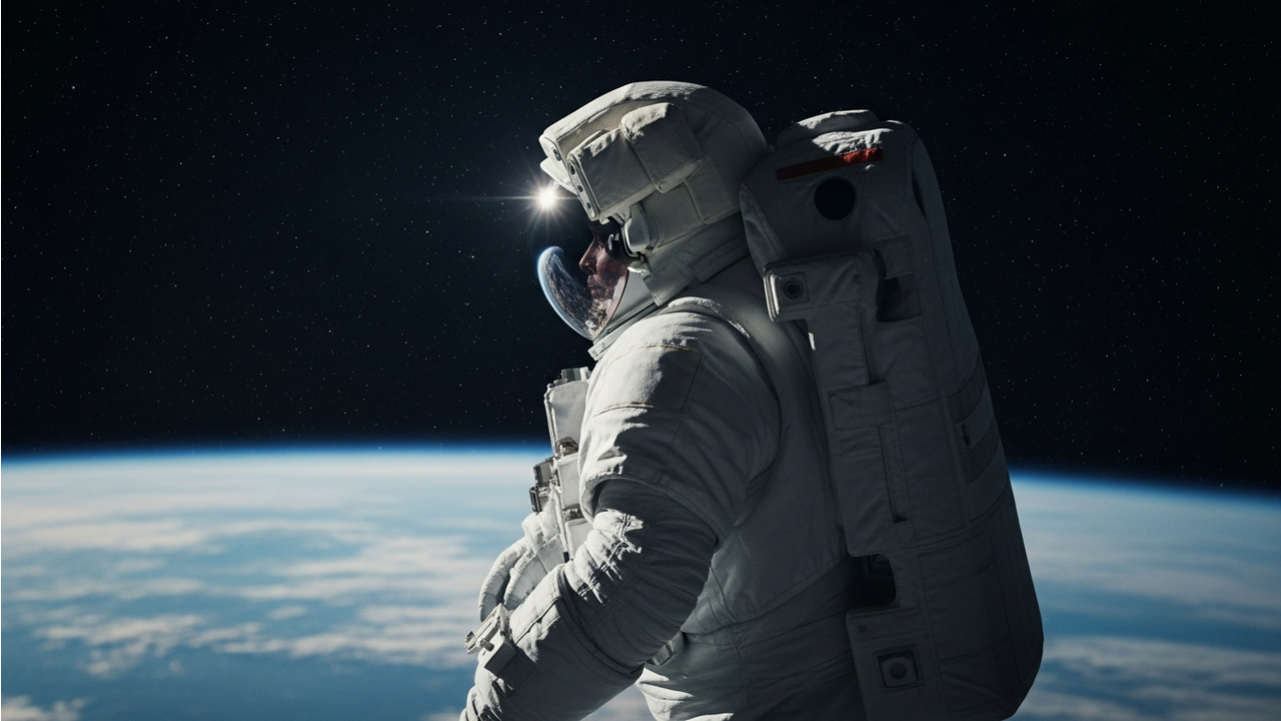
A single NASA spacesuit, called an Extravehicular Mobility Unit, costs approximately $12 million and takes about 45 minutes to put on, with help from another crew member.
The Numbers Behind the Career
NASA astronauts earn a starting salary between $75,000 and $152,000 depending on experience and federal pay grade.
NASA has approximately 44 active astronauts.
NASA's most recent astronaut class received over 12,000 applications for just 10 positions, making it one of the most selective hiring processes in any profession.
Where This Career Is Headed
The next decade of human spaceflight is shaping up to be the most ambitious since the Apollo era. NASA's Artemis program aims to return astronauts to the Moon and eventually establish a sustained presence there, while private companies like SpaceX and Blue Origin are developing spacecraft designed for missions to Mars and beyond. Commercial space stations are being planned to replace the aging International Space Station, opening new opportunities for research, manufacturing, and even tourism in low Earth orbit. As space exploration expands, the need for astronauts with diverse scientific, engineering, and medical expertise will grow alongside entirely new career paths that do not yet exist.

NASA's Artemis program and future Mars missions will require new classes of astronauts trained for long-duration deep space exploration.
The growth of commercial space companies is creating new astronaut and crew positions outside of government space agencies, broadening access to spaceflight careers.
Planned commercial space stations will expand opportunities for astronauts to conduct research in fields like medicine, materials science, and biology in microgravity environments.

Education & Certification
Becoming a NASA astronaut requires a strong educational foundation and significant professional experience. At a minimum, candidates must hold a master's degree in a STEM field such as engineering, biological science, physical science, computer science, or mathematics. A doctoral degree or a medical degree (M.D. or D.O.) also qualifies, as does completion of a nationally recognized test pilot school program. Beyond education, NASA requires at least two years of related professional experience or at least 1,000 hours of pilot-in-command time in jet aircraft. Astronaut candidates who are selected then undergo approximately two years of intensive training at NASA's Johnson Space Center in Houston, covering spacewalk procedures, robotics, spacecraft systems, survival training, Russian language, and more.
To Prepare...
Focus on math and science courses, especially physics, biology, chemistry, and calculus, which provide the academic foundation required for STEM degrees and astronaut candidacy.
Develop physical fitness habits early, as astronauts must pass rigorous physical exams and maintain peak conditioning throughout their training and missions.
Seek out STEM enrichment programs, space camps, robotics clubs, and science competitions that build technical skills and expose you to the disciplines astronauts rely on
Spotlight: Explore the Life of a Astronaut
Explore more resources for a future Astronaut

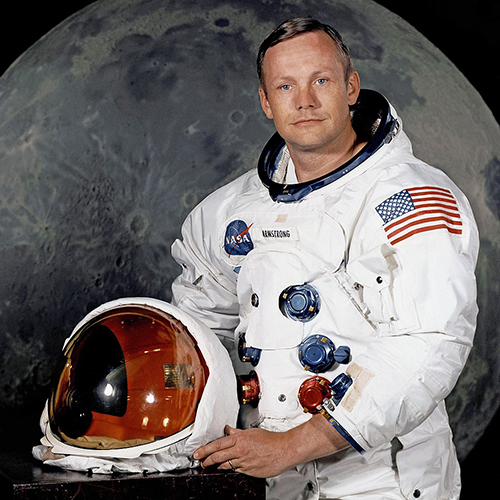
Neil Armstrong: 136 Fascinating Facts For Kids
Rod Weston
Why We Picked It
Career Connection
Armstrong's mission required precise navigation, spacecraft systems knowledge, and calm decision-making under pressure — the exact skills NASA trains every astronaut to master.

Find Where the Wind Goes: Moments From My Life
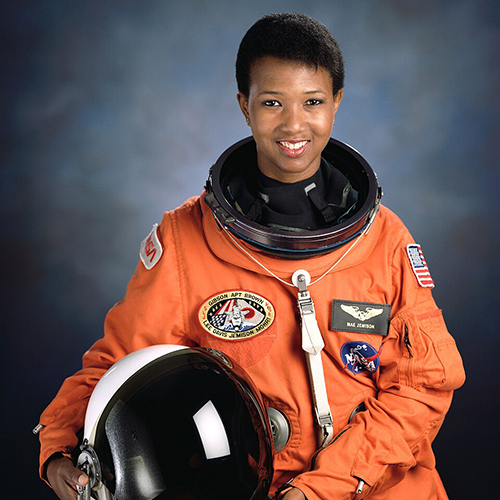
Mae Jemison
Why We Picked It
Career Connection
Jemison describes her actual astronaut training — from underwater simulations to zero-gravity flights — giving kids a realistic preview of what preparing for space missions involves.

BONNYCO Solar System for Kids Toys with 61 Felt Figures. Space Montessori Toys, Girls Boys Birthday Gifts Planets. Felt Board for Toddlers Story, Educational Kids Gifts 3 4 5 6 7 8 Years, Christmas
Why We Picked It
Career Connection
Mission planners map spacecraft trajectories across the solar system, and this set helps kids learn the planetary positions and relationships that inform those real navigation decisions.