The Reggio Emilia Approach
What It Is
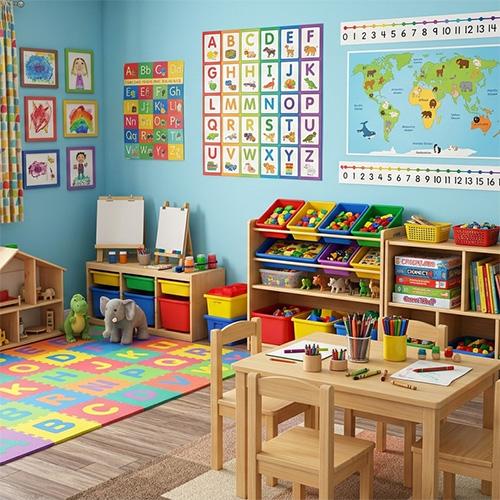
In the years following World War II, the residents of Reggio Emilia, a small city in northern Italy, made a remarkable collective decision. Determined to rebuild their community in a way that would never again produce the conditions that led to fascism, they started by building schools for their youngest children, believing that education rooted in curiosity, collaboration, and respect for the child was the foundation everything else depended on. The approach they developed, now known as the Reggio Emilia Approach, treats young children as capable, curious, and powerful learners whose ideas and questions deserve serious adult attention. Classrooms are designed as the "third teacher," with carefully arranged materials and spaces that invite exploration. Children's projects, called progettazione, can unfold over weeks or months, following the children's own questions wherever they lead. The approach has been adopted and adapted by early childhood programs in more than one hundred countries.
Why It Matters
The Reggio Emilia Approach changed what the world believes young children are capable of. Before its influence spread globally, early childhood education was often understood primarily as preparation, a waiting room before real learning began in elementary school. Reggio Emilia demonstrated that children under five are already doing real intellectual work, asking real questions, building sophisticated theories, and creating meaning in ways that deserve to be taken seriously rather than simply managed. Its story is a reminder that this field has the power to reshape not just individual children but the values and beliefs of entire communities. It started with a group of parents in a bombed-out Italian city who decided that the way you treat your youngest children says everything about the kind of society you want to build.