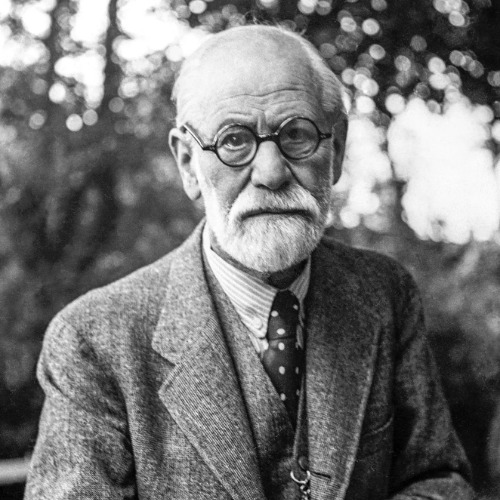
Photo: Unknown, Public domain, via Wikimedia Commons
Who He Was
Sigmund Freud was an Austrian neurologist born in 1856 who became known as the father of psychoanalysis, one of the first structured methods for treating mental and emotional struggles through talking. He proposed that much of what drives human thoughts and behavior happens below conscious awareness, in what he called the unconscious mind. Freud developed techniques like dream analysis and "talk therapy," where patients spoke freely about their thoughts and memories while he listened for patterns. His most famous book, The Interpretation of Dreams, argued that dreams offer clues about hidden thoughts and feelings. Freud practiced in Vienna for most of his life before fleeing to England in 1938.
Why He Matters
Freud's work fundamentally changed how people think about the mind, introducing ideas like the unconscious and the "talking cure" that still influence therapy today. He was one of the first people to treat mental health struggles as something to study and understand scientifically, rather than something shameful to hide. At the same time, many of Freud's specific theories have not held up well under modern scientific scrutiny, and later psychologists have challenged or disproven much of his work, especially his ideas about women and childhood development. For young people considering psychology, Freud's story is a useful lesson in how science grows: even a hugely influential thinker can get a great deal wrong, and each generation of researchers builds on, questions, and corrects the work that came before.