Photo: Hans Peters for Anefo ., CC0, via Wikimedia Commons
Who He Was
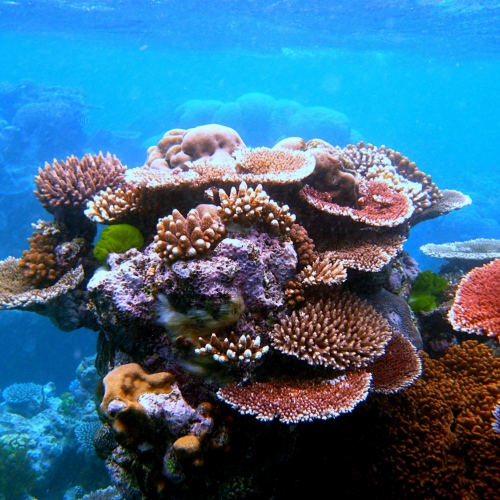
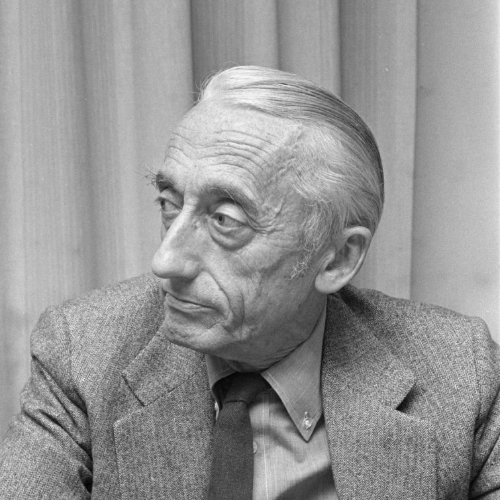
Jacques Cousteau was a French naval officer who co-invented the Aqua-Lung with engineer Émile Gagnan in 1943, the breathing device that made modern scuba diving possible. Before their invention, exploring the ocean usually meant wearing a heavy metal diving suit connected to a boat by a hose, which made free underwater exploration nearly impossible for scientists. Over the following decades, Cousteau filmed and documented ocean life no human had ever seen up close, bringing footage of coral reefs, sharks, and deep-sea creatures into homes worldwide through his television series. His work sparked a wave of public fascination with the ocean and inspired a generation of scientists to pursue marine biology as a career.
Why He Matters
Nearly every marine biologist working today can trace their curiosity about the ocean back to seeing it up close for the first time, whether through actual diving or through footage like the kind Cousteau captured. His invention didn't just make ocean exploration possible; it made it visible, turning a hidden world into something people could care about and want to protect. Cousteau also became one of the first famous ocean explorers to warn publicly about pollution and overfishing damaging ocean ecosystems, decades before those became widely recognized problems. His legacy shows how invention, curiosity, and storytelling can work together to change how an entire generation sees the natural world.