


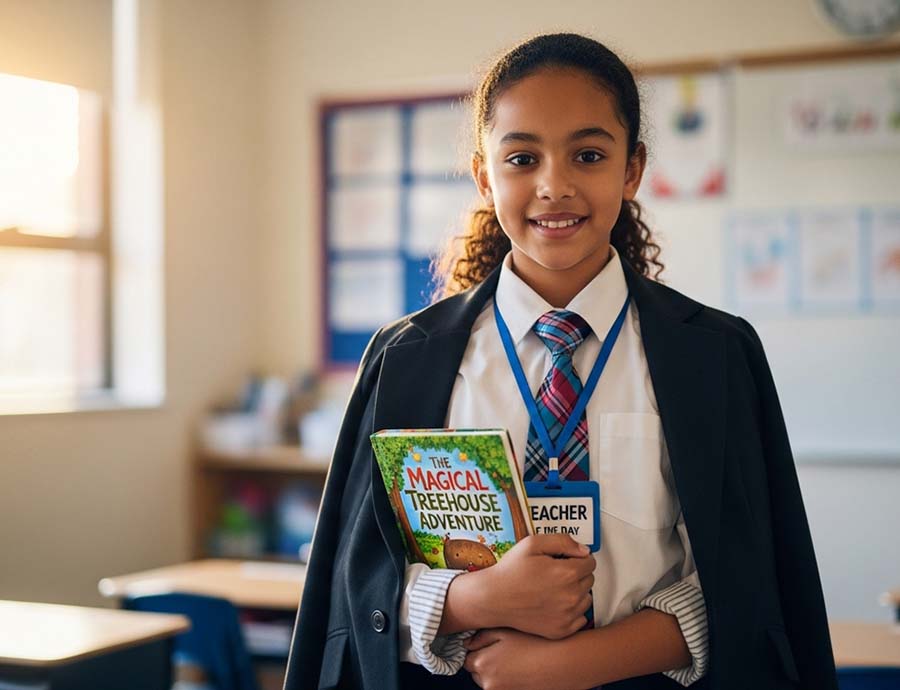
About Teacher
A teacher stands at the front of a classroom while pencils scratch and pages turn. There is a moment during a story when it gets quiet, and everyone listens. Someone raises a hand, a little unsure, and the teacher waits patiently to draw them out. The room smells like paper and crayons, and the board is filled with words and drawings. Each day is filled with small moments where something suddenly makes sense.
Becoming a teacher begins with a love of explaining things and a care for how others learn. Teachers practice listening, explaining ideas in different ways, and encouraging students when learning feels hard. Some teach reading or math, while others teach art, science, or music. If you enjoy helping someone understand something new and feel proud when they do, the path toward being a teacher may have already started!
You Might Love This If...
- Learning new things and sharing what you know keeps you interested.
- You enjoy reading stories, explaining ideas, or showing a friend how to do something.
- Helping someone understand something new makes you happy and excited.
- You like explaining ideas, reading stories out loud, or feel proud when others understand what you are trying to tell them.
Explore more resources for a future Teacher:
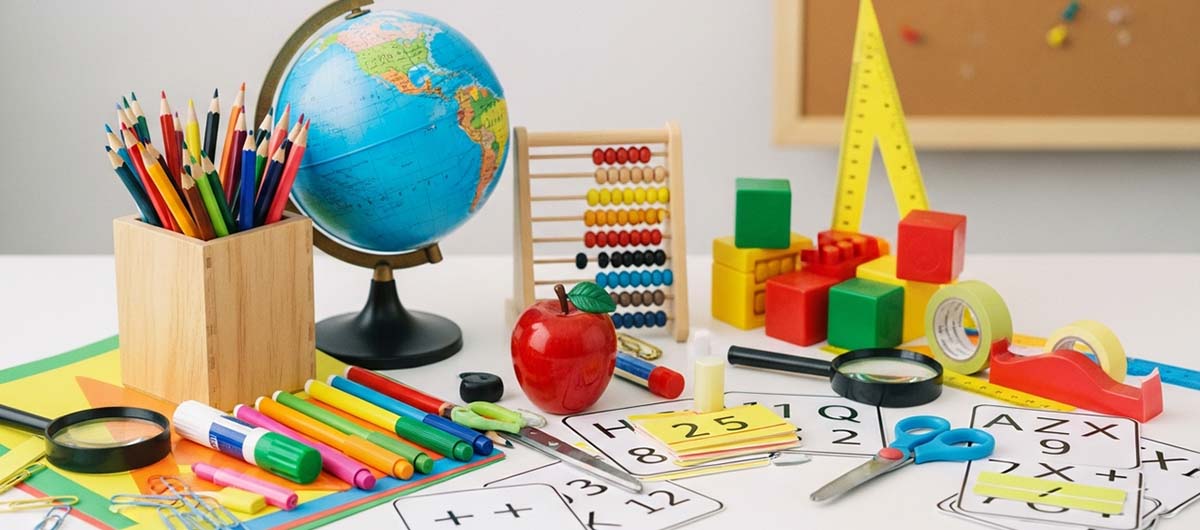
More Than a Job
Being a teacher helps you develop ways of thinking and relating that extend beyond the classroom. Teachers learn to notice how others think, respond, and experience learning. These habits support growth, communication, and understanding in many parts of life. The work encourages reflection, patience, and steady progress.