

Did You Know?
Google runs more than 8.5 billion searches every single day. Behind every one of those results is software written and maintained by teams of engineers who make sure the answer arrives in under half a second.

What Software Engineers Really Do
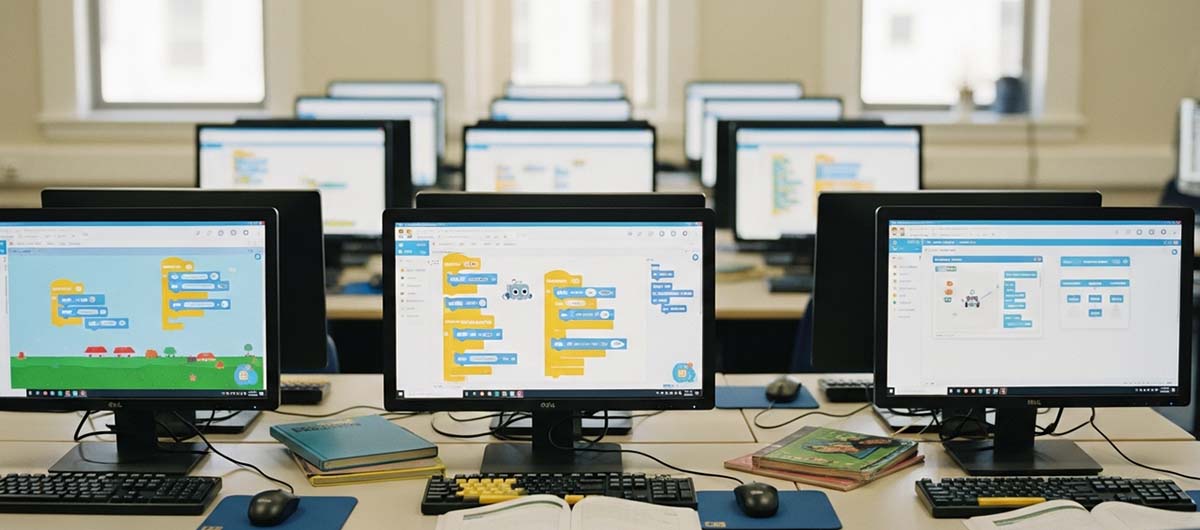
Have you ever wondered who made your favorite app, your video game, or the website you use to watch videos? Real people built all of those things, and they are called software engineers. Software engineers are like builders, except that instead of using bricks and wood, they use code, a special language that computers understand. They take an idea, like a game about building blocks or an app that helps you learn math, and they turn it into something you can actually use and touch.
The cool thing about software engineering is that it is one of the few jobs where you can create something out of nothing but ideas. You do not need special materials or a big workspace. You need a computer, your brain, and the ability to think through problems one step at a time. If you enjoy figuring out puzzles, making things work the way you planned, or building things that your friends and family can use, you might already love the kind of thinking software engineers do every day.
You Might Love This If...
Skills That Follow You Everywhere
Building software develops a set of skills that go far beyond writing code. Software engineers learn to think through complexity, communicate clearly across teams, and keep going when solutions do not come easily. Those abilities are valuable in any career that involves problem-solving, collaboration, and building things that last.
Critical Thinking
Before writing a single line of code, software engineers have to think clearly about what they are actually trying to build, who will use it, and what could go wrong. A poorly designed system can be fast to build but expensive to fix, or it can work perfectly in testing and fail completely when real users show up. Critical thinking allows engineers to ask the right questions before committing to a solution, to evaluate trade-offs honestly, and to anticipate consequences that are not immediately obvious.
Problem-Solving
Every piece of software has bugs, gaps, and edge cases that the original design did not anticipate. Software engineers spend a significant part of their work tracking down what went wrong, forming hypotheses, testing them, and eliminating possibilities until they find the root cause. This methodical, evidence-based approach to solving problems, staying patient when the answer is not obvious, and working through the issue step by step, is one of the most transferable skills in any professional field.
Organization
Software projects involve dozens of moving parts at once: features being built, bugs being fixed, deadlines being tracked, and code being reviewed across the whole team. Engineers who stay organized, breaking large problems into smaller tasks, setting priorities, and keeping careful records of what has been done and what still needs doing, are the ones who ship products reliably and without chaos. Good organization also means writing clean, well-documented code that teammates can understand months later, which is just as important as the code working in the first place.
Explore more resources for a future Software Engineer

Steve Jobs
Isaacson, Walter
Why We Picked It
Career Connection
Software engineers work within companies and cultures shaped by the values and decisions of their founders, and this biography reveals how a relentless pursuit of elegant, user-centered design became an organizational philosophy that shaped an entire industry's standards.

iWoz: Computer Geek to Cult Icon: How I Invented the Personal Computer, Co-Founded Apple, and Had Fun Doing It
Steve Wozniak | Gina Smith
Why We Picked It
Career Connection
Software engineers solve problems by combining existing components in new ways and building until something works, and Wozniak's story of assembling the Apple I out of chips he could barely afford shows the hands-on tinkering and creative ingenuity behind the most consequential engineering breakthroughs.

The Innovators: How a Group of Hackers, Geniuses, and Geeks Created the Digital Revolution
Walter Isaacson | Walter Isaacson - introduction
Why We Picked It
Career Connection
Software engineers build on decades of breakthroughs by the pioneers this book chronicles, and understanding the history of how computers and the internet were invented gives aspiring engineers the historical and conceptual foundation for the technology they will spend their careers extending.