

Did You Know?
A school counselor's work often happens behind the scenes. They connect families with resources, advocate for students who need extra support, and collaborate with teachers and administrators to make sure no student falls through the cracks.
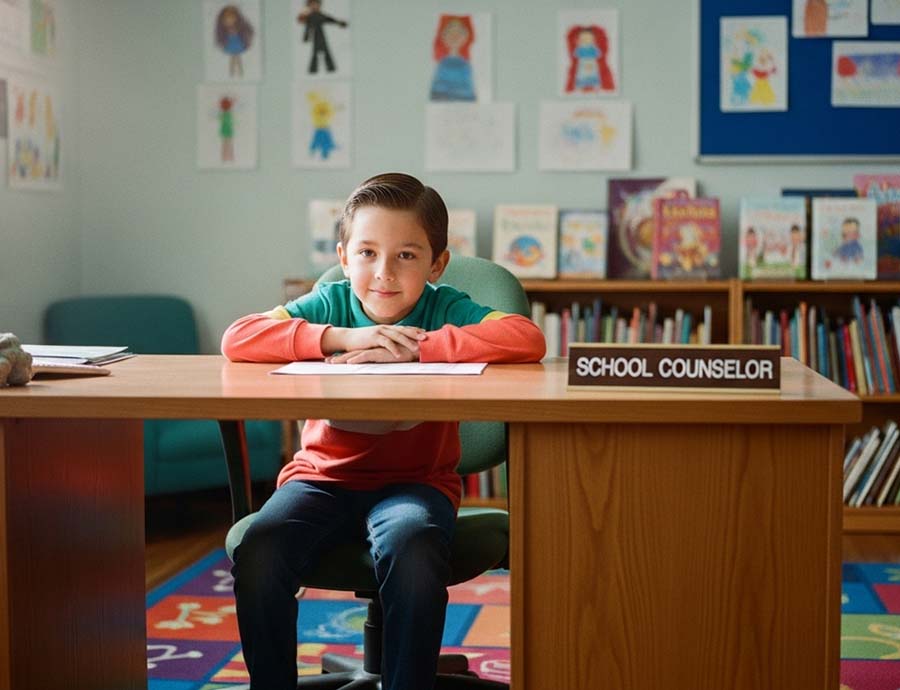
What School Counselors Really Do
A student walks into your office looking nervous, fidgeting with the straps of their backpack. They sit down across from you, and for a moment, they do not say anything at all. You wait patiently, smile, and let them know there is no rush. Slowly, they start to talk about something that has been bothering them, and you listen to every word. You are a school counselor, and this is what your day looks like: helping kids feel heard, understanding their feelings, and navigating problems big and small.
School counselors are part helper, part listener, and part guide. They work with students who are having a tough time with friends, feeling worried about something at home, or just need someone to talk to who is not a parent or teacher. They also visit classrooms to lead lessons on kindness, friendship, and handling big emotions. If you are the kind of person your friends come to when they are upset, someone who listens carefully and wants to make things better, you are already practicing skills that school counselors use every day.
You Might Love This If...
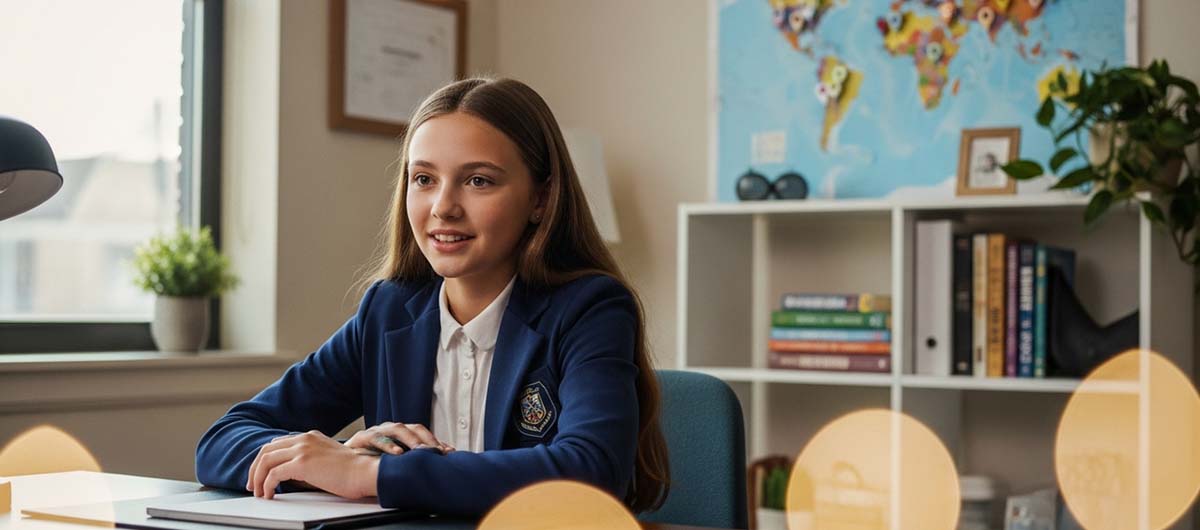
Skills That Follow You Everywhere
A career as a school counselor builds skills that extend far beyond the school building. School counselors learn to connect with people from all walks of life, navigate sensitive situations with care, and help others find clarity when everything feels overwhelming. These abilities are valuable in any career that involves working with people, leading teams, or supporting a community.
Problem-Solving
Every student who walks into a counselor's office brings a different set of circumstances, and no two situations call for the same response. A counselor might help one student develop strategies for managing test anxiety, then turn around and coordinate a safety plan for another student in crisis. Problem-solving in school counseling means assessing a situation quickly, identifying the most effective path forward, and adapting when the first approach does not work. This ability to think on your feet and tailor solutions to individual needs is valuable in any profession that involves helping people navigate complex challenges.
Communication
School counselors communicate in many directions every day: listening carefully to a student who is struggling to put feelings into words, explaining a concern to a parent in a way that feels supportive rather than alarming, and collaborating with teachers and administrators to coordinate the right support for a child. They must adjust their language, tone, and approach depending on who they are talking to and what the situation demands. This kind of flexible, audience-aware communication is one of the most valuable and transferable professional skills a person can develop.
Empathy
School counselors sit across from students who are dealing with everything from friendship drama to family crises, and each conversation requires the ability to truly understand another person’s feelings without judgment. Empathy allows counselors to build the trust that makes honest conversation possible, especially with young people who may be reluctant to open up. This ability to connect with others and respond with care is a skill that strengthens relationships and leadership in every area of life.
Explore more resources for a future School Counselor

Each Kindness
Woodson, Jacqueline
Why We Picked It
Career Connection
School counselors help students build the empathy and social skills needed to include rather than exclude, and Chloe's regret over Maya captures precisely the kind of situation a counselor steps into when exclusion has already done its damage.

There's a color inside Me: 12 Emotion Friends to Help Kids Name and Manage Feelings (Little Hands, Big Feelings — La Noe)
Noe, La
Why We Picked It
Career Connection
School counselors help students build emotional vocabulary and self-regulation skills, and this book's clear, compassionate introduction to naming and handling feelings is exactly the kind of social-emotional foundation counselors spend their careers helping children develop.

Memoirs of a High School Counselor: Thirty-Six Years of Life Lessons
Mancke, Jim
Why We Picked It
Career Connection
School counselors support students through academic challenges, personal crises, and major life decisions across entire careers, and Mancke's honest account gives aspiring counselors the most realistic available picture of what the work actually involves day after day.