
Did You Know?
A bill in Congress can have more than 400 co-sponsors, meaning hundreds of politicians from different places and backgrounds agree that one idea is worth turning into law.
What Politicians Really Do
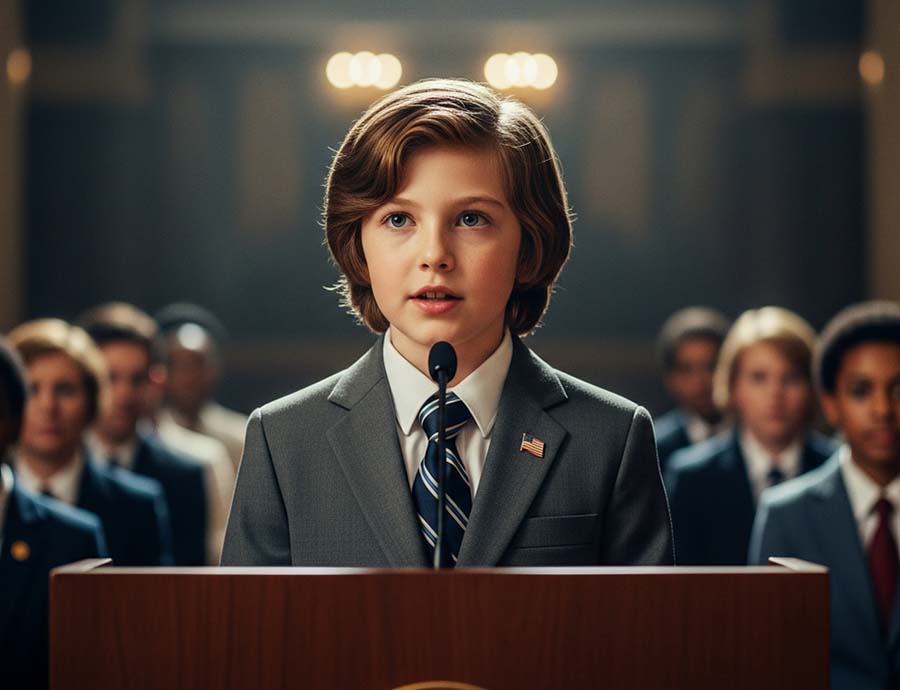
Imagine your school needed a new playground, but there was no one to decide where it should go, how much it should cost, or who would build it. Without someone to organize those decisions and listen to what everyone wanted, nothing would happen. That is part of what politicians do. Politicians are people who are chosen by the community to make important decisions on behalf of everyone who lives there. They work in city halls, state capitals, and Congress. They help create the rules and plans that keep communities safe, fair, and running smoothly.
Politicians spend a lot of their time listening. They hold meetings, read letters from neighbors, and talk to all kinds of people so they understand what their community needs. Then they work with other officials to figure out the best solutions. Being a politician means caring deeply about people and believing that working together, even when it is hard, can make things better for everyone.
You Might Love This If...
Skills That Follow You Everywhere
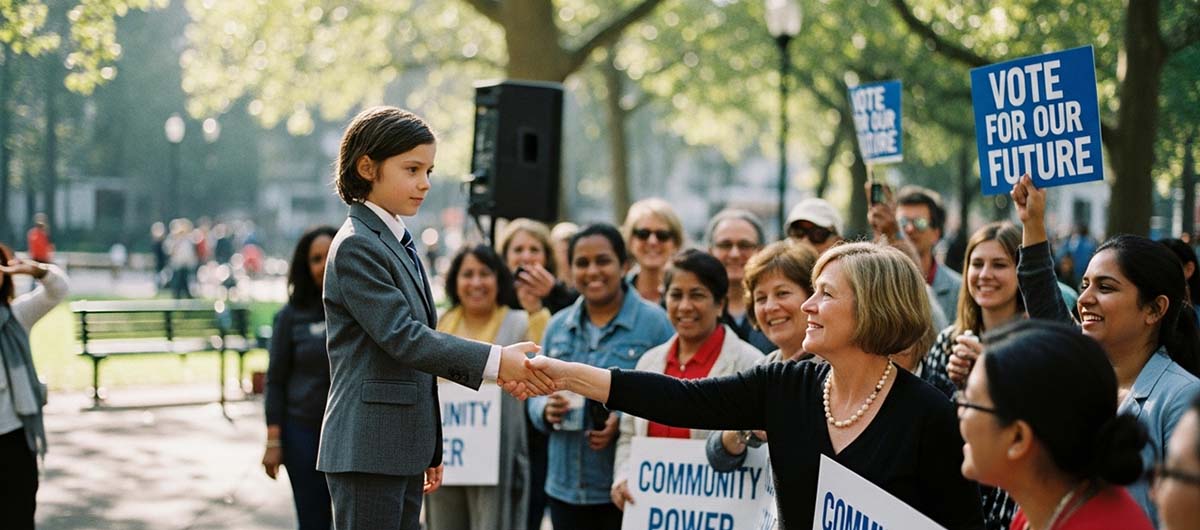
Serving in public office builds skills that matter in every part of life. Politicians learn to listen carefully, think across complex issues, and bring people with very different views to the same table. These abilities are valuable in any field that requires leadership, clear thinking, and a commitment to something larger than yourself.
Critical Thinking
Every policy decision involves tradeoffs, and a politician's job is to work through them carefully. They must evaluate competing sets of evidence, weigh short-term and long-term consequences, and make judgments under real-time pressure. Strong critical thinking allows public officials to cut through misinformation, ask the right questions, and build solutions that actually work for the people they represent. These habits of mind are just as valuable in business, law, medicine, and other fields that demand careful analysis.
Communication
Politicians must explain complicated ideas in ways that are clear and honest to many different audiences, from experts in a committee room to neighbors at a town hall. They write legislation, give speeches, answer difficult questions, and advocate for their community's needs. Learning to communicate well across different settings and with people who hold different views is one of the most powerful skills a person can develop, and it is central to everything a public official does.
Empathy
Politicians represent real people, and the best ones never lose sight of that. Empathy means being able to understand and genuinely consider the experiences and emotions of others, including people whose lives look very different from your own. For a public official, this means listening to a struggling family's concerns with the same attention as a business leader's, or recognizing how a proposed policy might affect a community you have never lived in. Empathy does not mean agreeing with everyone. It means making decisions with a full understanding of who they will affect and why that matters.
Explore more resources for a future Politician
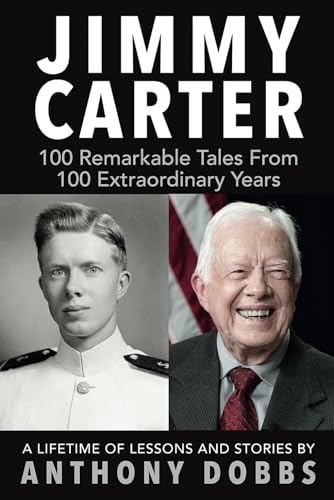
Jimmy Carter: 100 Remarkable Tales From 100 Extraordinary Years
Dobbs, Anthony
Why We Picked It
Career Connection
Politicians who make lasting contributions rarely do so only in office, and Carter's decades of post-presidential humanitarian work through Habitat for Humanity and the Carter Center show that political leadership and public service can take meaningful forms across an entire lifetime.

Abe Lincoln : The Boy Who Loved Books
Winters, Kay | Carpenter, Nancy
Why We Picked It
Career Connection
Politicians build their capacity to persuade, reason, and lead through language, and Lincoln's life is the most celebrated example of how a deep commitment to reading and self-education can form a leader of extraordinary rhetorical and moral power.

Lincoln: A Newbery Award Winner
Freedman, Russell
Why We Picked It
Career Connection
Politicians navigate complex relationships, competing interests, and intense pressure to move legislation and shape history, and Freedman's portrait of Lincoln's career shows how patience, honesty, and careful strategic thinking made one of the most effective leaders in American history.