Did You Know?
In 2012, the Museum of Modern Art in New York added 14 video games to its collection, including Pac-Man and Tetris.
The Numbers Behind the Career
About 1,600 job openings for curators are projected each year over the next decade.
There were about 14,200 curator jobs in the U.S. in 2025.
The median annual salary for curators in 2025 was $63,420.
Where This Career Is Headed
Over the next ten years, a museum’s collection will likely reach far more people on a screen than in its galleries, and curators will decide how those digital visits tell the story. Large museums own far more than they can ever put on display, so photographing, scanning, and sharing collections online will keep growing for years. Curators are also collecting things that were never physical, and in 2013 the Smithsonian’s Cooper Hewitt design museum added an app called Planetary to its collection, along with the code that runs it, the first piece of digital code it ever collected.
Museums will keep working with communities on how objects are researched, returned, and displayed, building on updated federal rules that took effect in 2024 and require museums that receive federal funds to get consent from Native American tribes, Native Hawaiian organizations, or descendants before displaying ancestral remains and certain cultural items. AI tools will likely help search and sort huge collections, but deciding what a museum keeps and whose story it tells will remain a human job.
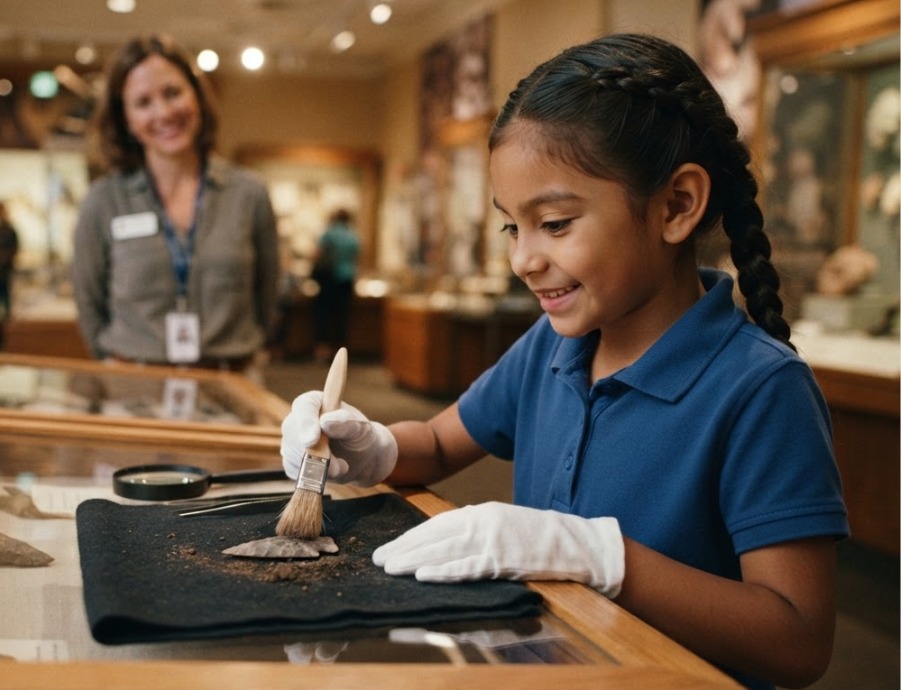
New curator roles could grow around digital collections and online exhibitions, as museums share far more of what they own than will ever fit on gallery walls.
Collecting apps, games, and other born-digital culture opens a new area for curators who understand both technology and history.
Many openings in museum careers come from workers who retire or move into other fields, which leaves room for new curators to enter.
Education & Certification
Curators typically need a master’s degree in a field like art history, history, archaeology, or museum studies, though a bachelor’s degree can be enough to start at a small museum. Curators at science museums may instead study the subject they care for, such as biology or geology. Business, public relations, marketing, and fundraising courses are also recommended, because the job includes managing budgets and public programs. Most employers do not require a license or certification, so experience counts for a lot, and internships or volunteer work in museums are a common way to get it. Full-time jobs usually require substantial experience in collection management, research, or exhibit design, and some advanced positions may require a doctoral degree.
To Prepare...
Take history, art, and English classes to build the research and writing skills curators use every day, and add a science class if a natural history or science museum draws you in.
Volunteer or look for a teen program at a local museum, historical society, or library to see how collections are cared for and shared.
Learn spreadsheet and database basics, because curators keep detailed records of every object, and practice speaking in front of a group, since tours and talks are part of the job.