
Did You Know?
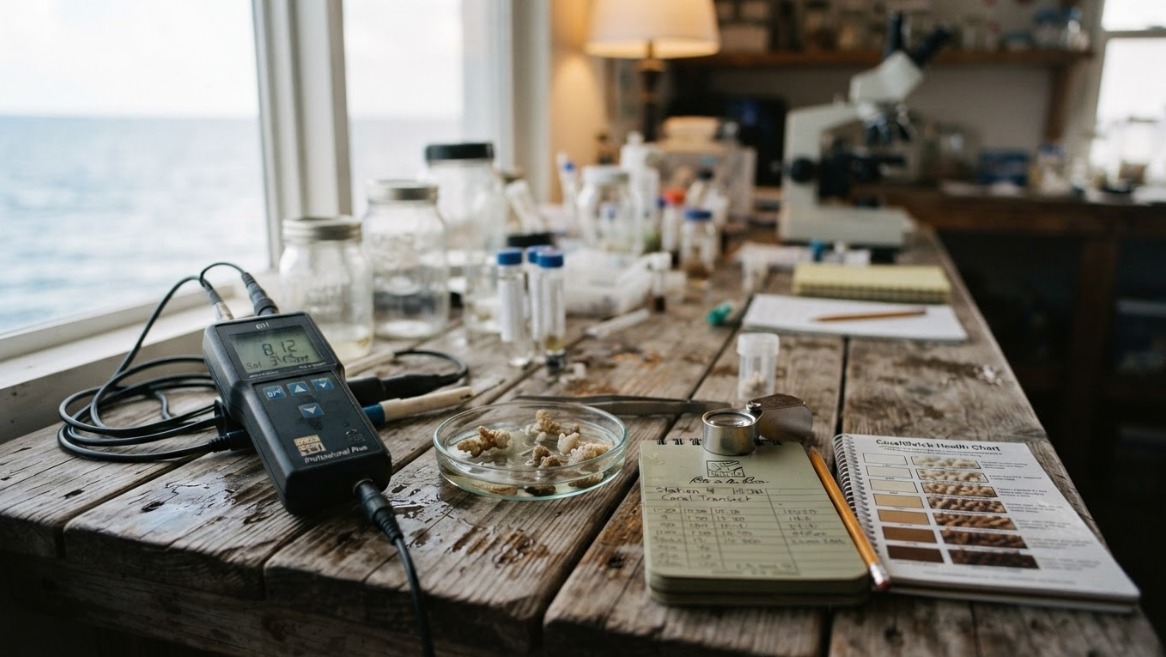
A marine biologist can scoop up a single bottle of seawater and figure out which animals recently swam through it. Every fish, whale, and shark sheds bits of DNA into the water, and reading that trace evidence is now a standard research tool.
What Marine Biologists Really Do
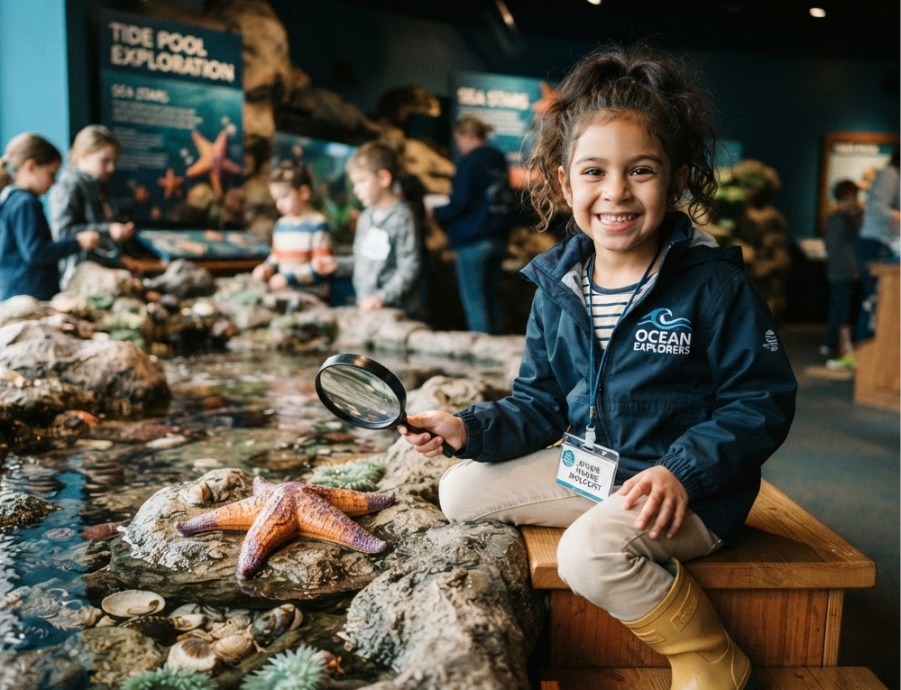
You are standing waist-deep in a tide pool at low tide, and every rock you turn over reveals something new: a tiny crab scuttling for cover, a sea star gripping the stone with hundreds of tiny feet, an anemone that closes up tight the moment you touch it. Marine biologists are scientists who study the ocean and everything that lives in it, from the smallest plankton floating near the surface to the biggest whales diving thousands of feet down. They spend their days on boats, in tide pools, underwater with scuba gear, and in labs where they study samples and data collected from the sea. Their job is to figure out how ocean animals live, what they need to survive, and how to keep the ocean healthy for the creatures that call it home.
The ocean covers most of our planet, and scientists have still explored only a small part of it, which means new discoveries are waiting for the people curious enough to look. Marine biologists count fish populations, track where whales travel, study how coral reefs grow, and work to protect endangered sea turtles and sharks. Some spend months on research ships far from land, while others work close to shore, monitoring the same stretch of coastline year after year. If you love collecting shells at the beach, get excited watching fish at an aquarium, and wonder what is swimming around in water you cannot see to the bottom of, you might already be thinking like a marine biologist.
You Might Love This If...
Skills That Follow You Everywhere
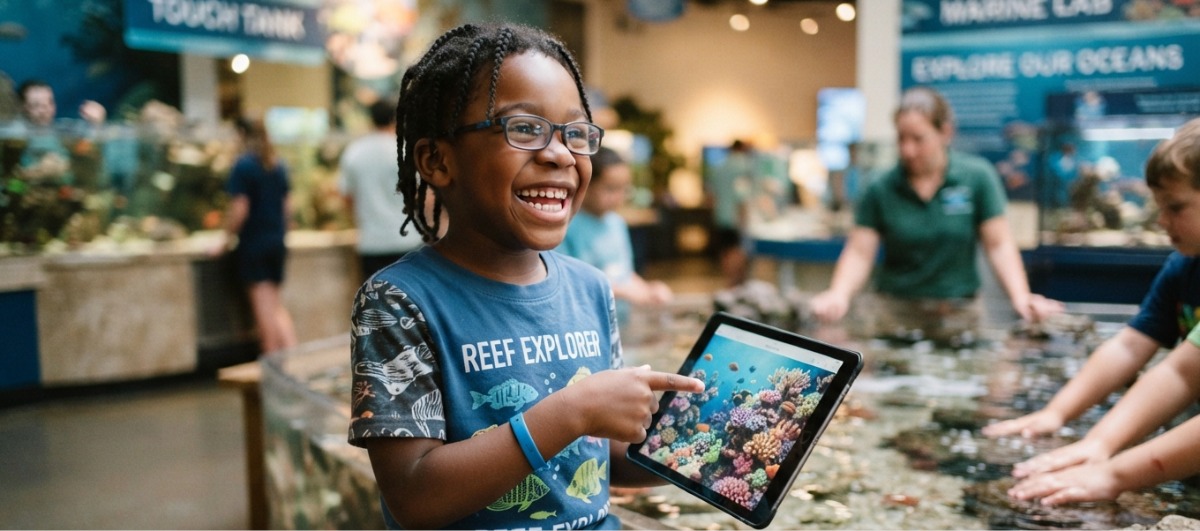
Marine biologists develop skills that reach far beyond identifying species and reading data. They learn to adapt when the ocean refuses to cooperate, keep going when years of research don't go as planned, and work closely with a crew where every person's role matters. These abilities matter in any career that involves unpredictable conditions, long timelines, and close collaboration.
Resilience
Marine biology often means waiting years to see whether a conservation effort is working, and sometimes the answer is disappointing. A coral restoration project a team spent years rebuilding can be wiped out by a single marine heat wave, or a population tracked for a decade can keep declining despite everyone's best efforts. Resilience is what allows a marine biologist to sit with that disappointment, keep the research going, and trust that the work still matters even when the results are not what anyone hoped for.
Adaptability
No two days at sea look the same. A storm can cancel a planned dive, a tagged animal can vanish from tracking range, or a survey site can turn up completely different results than the year before. Adaptability means changing the plan on the spot, working with the conditions you are given instead of the ones you hoped for, and staying useful when the unexpected becomes routine.
Teamwork
Research at sea rarely happens alone. A single expedition might depend on a boat captain, a dive team, a data analyst, and a local community all working from the same plan, often in conditions where a miscommunication can waste an entire day or put someone at risk. Teamwork means trusting each person's role, communicating clearly under pressure, and understanding that the best ocean research is almost always a group effort.