

Did You Know?
If you picture lawyers spending all day arguing in court, think again. About 95% of legal cases are settled before they reach trial, meaning most of a lawyer's work involves research, writing, and negotiation.
The Numbers Behind the Career
About 31,500 openings for lawyers are expected annually through 2034.
Over 864,800 lawyers are active across the United States as of 2024.
The median salary for lawyers in the U.S. is $151,160.
Where This Career Is Headed
The legal profession is being reshaped by advances in technology, shifts in how legal services are delivered, and growing demand for expertise in emerging areas of law. Artificial intelligence tools are increasingly used to review documents, conduct legal research, and identify patterns in large volumes of case data, allowing lawyers to work more efficiently. At the same time, new fields like data privacy law, cybersecurity regulation, and climate-related litigation are expanding the range of legal specializations. As laws struggle to keep pace with rapid technological, business, and environmental changes, the need for skilled lawyers to navigate complex, evolving legal landscapes will continue to grow.

The rapid growth of artificial intelligence, social media, and digital commerce is driving strong demand for lawyers specializing in data privacy, intellectual property, and technology regulation.
Expanding access to legal services through virtual consultations and online legal platforms is opening new career paths and enabling lawyers to serve clients in underserved communities.
Climate change and environmental policy are driving growth in environmental law, with increasing demand for lawyers who can handle regulatory compliance, land use disputes, and sustainability-related litigation.

Education & Certification
Becoming a lawyer requires significant education and training. After earning a four-year bachelor's degree, aspiring lawyers must complete three years of law school to earn a Juris Doctor (J.D.) degree. Law school coursework covers constitutional law, contracts, civil procedure, criminal law, legal writing, and more. After graduating, candidates must pass the bar exam in the state where they plan to practice. Some lawyers also pursue additional credentials, such as board certification in a specialty area, such as family law, criminal trial law, or immigration law, to demonstrate advanced expertise.
To Prepare:
Develop strong reading, writing, and public speaking skills through English, history, and social studies courses, and seek out debate teams, mock trials, or Model United Nations programs.
Explore different areas of law by taking government, civics, and economics courses that explain how laws are made, interpreted, and enforced at the local, state, and federal levels.
Build research and analytical skills through Advanced Placement (AP) or honors courses in U.S. History, U.S. Government, or English Language and Composition, which emphasize the kind of close reading and persuasive writing central to legal work.
Spotlight: Explore the Life of a Lawyer


Explore more resources for a future Lawyer
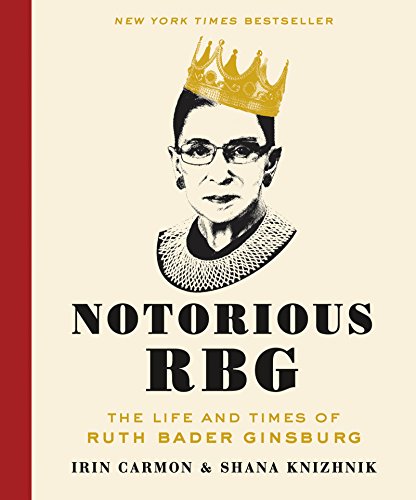
Notorious RBG: The Life and Times of Ruth Bader Ginsburg
Irin Carmon and Shana Knizhnik
Why We Picked It
Career Connection
Supreme Court justices write opinions that become the law of the land, and Ginsburg's famous dissents show teens how legal writing and principled argument can influence an entire nation.

BEILUNER Luxury Personalized Wood Ballpoint Pen Writing Set,Rosewood-Elegant Fancy Nice Gift Pen Set for Signature Executive Business Office Supplies - Christmas Gift Boxed with Extra Refills (Black)
Why We Picked It
Career Connection
Lawyers sign contracts, draft agreements, and annotate case files by hand every day, and a quality pen reinforces the respect for written language that the legal profession is built on.

Mindmade Debatable - A Hilarious Party Game for People who Love to Argue
Why We Picked It
Career Connection
Trial lawyers must think on their feet, counter unexpected arguments, and persuade a jury under pressure, and this game builds the same rapid-response argumentation skills that courtroom advocacy requires.