

Did You Know?
A single Supreme Court opinion can run longer than 200 pages and will be read, cited, and debated in courtrooms and law schools for generations after it is written.

What Judges Really Do
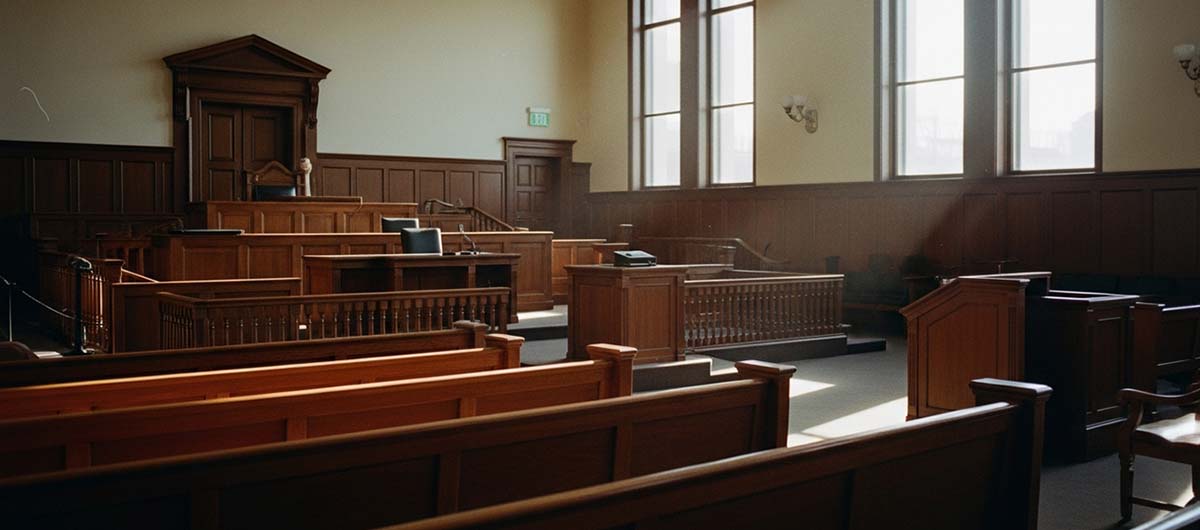
The courtroom goes quiet the moment you walk in. Everyone rises from their seats, then settles back down as you take your place at the front of the room in long black robes. Two people are waiting, each with their side of a story, and it is your job to listen carefully, ask the right questions, and make sure everything is handled fairly. You are the judge, and your role is one of the most important in the entire justice system. Judges make sure the law is followed, that everyone is treated equally, and that the right outcome is reached.
Becoming a judge takes years of learning and dedication. Before they ever sit on the bench, judges spend years working as lawyers, studying how the legal system operates from every angle. They learn to listen closely, analyze arguments carefully, and think through what is fair before making any decision. If you love solving problems, thinking through what is right, and listening to all sides of a story before you make up your mind, you might already be thinking like a judge.
You Might Love This If...
Skills That Follow You Everywhere
A career as a judge builds skills that extend far beyond the courtroom. Judges develop the ability to analyze complex information, communicate with precision and authority, and understand the human impact of the decisions they make. These abilities are valuable in any career that demands careful reasoning, clear expression, and a deep commitment to fairness.
Critical Thinking
Every case a judge hears requires weighing evidence, evaluating legal arguments, and applying the law to a specific set of facts without letting personal bias or outside pressure interfere. Judges must identify which arguments are legally sound, which precedents apply, and what outcome best serves both the parties in front of them and the law as a whole. This kind of disciplined, evidence-based reasoning is a skill that strengthens every decision you make, whether in law, medicine, business, or public service.
Problem-Solving
Judges routinely face cases in which the law does not provide a clear answer. A statute may be silent on a specific situation, two legal principles may point in opposite directions, or a set of facts may not fit neatly into any existing precedent. Judges must work through that ambiguity methodically, constructing a reasoned path to an outcome that is both legally sound and practically workable. This ability to build solutions from incomplete information, under pressure and with real consequences at stake, is one of the most powerful problem-solving skills any profession can develop.
Communication
Judges express their decisions through written opinions that must be clear, logical, and legally defensible, sometimes running dozens of pages that explain precisely why the law requires a particular outcome. In the courtroom, they also communicate verbally with lawyers, witnesses, and juries, asking questions that cut to the heart of an issue and keeping proceedings on track. The ability to translate complex ideas into language that is both precise and accessible is one of the most transferable skills a judge develops and is valued across virtually every professional field.
Explore more resources for a future Judge
The Doggie Defendant: Ready-to-Read Graphics
Why We Picked It
Career Connection
Judges ensure the fairness of legal proceedings by hearing evidence, applying the law, and reaching a just verdict, and this accessible, age-appropriate story gives young children their first sense of what actually happens inside a courtroom.