Industry Facts
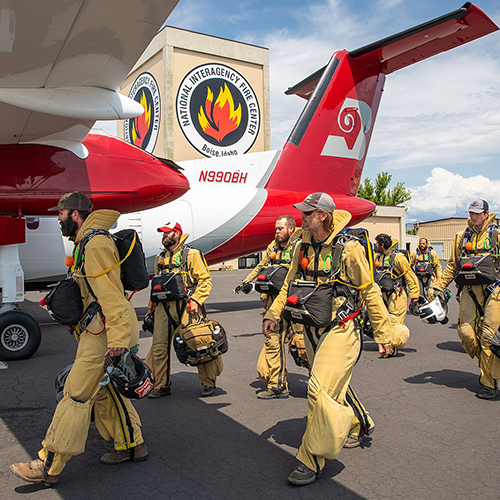
About 30,000 firefighter job openings are projected annually over the next decade.
The 2024 median salary for firefighters was $57,120.
According to the Bureau of Labor Statistics, there were about 336,000 firefighters in the U.S. in 2024.
Future Trends
Firefighting continues to evolve as technology, climate conditions, and community needs change how firefighters respond to emergencies. Firefighters are using advanced tools such as thermal imaging cameras, drones, improved protective gear, and real-time communication systems to locate dangers more quickly and work more safely. As extreme weather events and wildfire seasons grow, departments are expanding training in disaster response, hazardous materials, and rescue operations. There is also a growing focus on firefighter wellness, including mental health support, injury prevention, and long-term health monitoring.
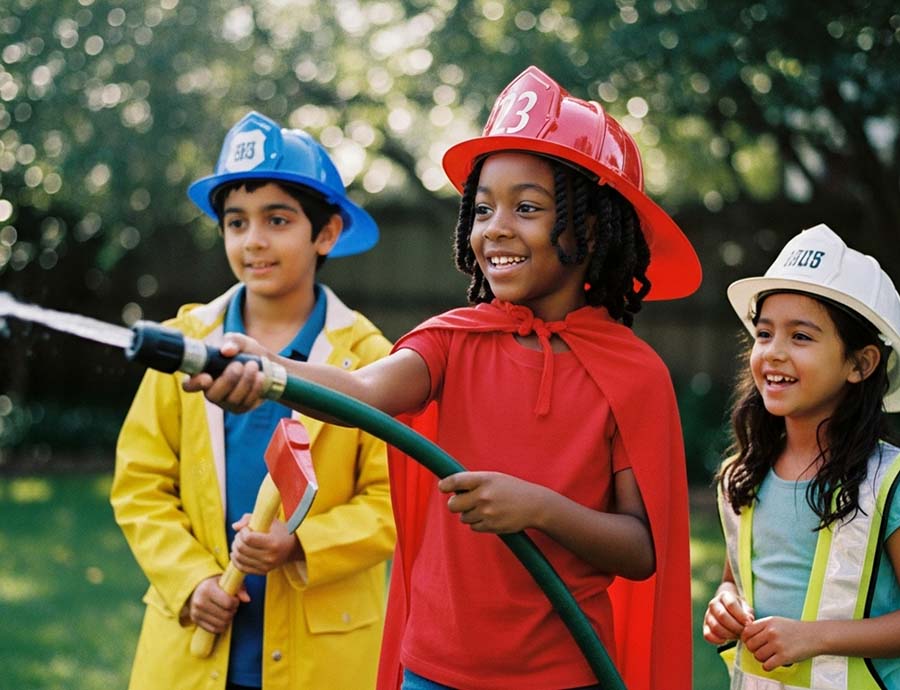
Advances in emergency response technology, communication systems, and protective equipment will help firefighters work more safely, respond faster, and improve rescue outcomes.
Drones, mapping tools, and smart sensors will allow firefighters to assess fire conditions, locate people, and plan safer entry routes before stepping into danger.
Growing demand for wildfire response and disaster relief will create new pathways in wildland firefighting, emergency management, and regional response teams.
Expanded training in emergency medical care will create more opportunities for firefighter-EMTs and firefighter-paramedics, strengthening connections between public safety and healthcare careers.
Leadership roles in fire prevention, community education, fire investigation, and emergency planning will offer career growth beyond frontline response.
Explore more resources for a future Firefighter:
Education & Certification
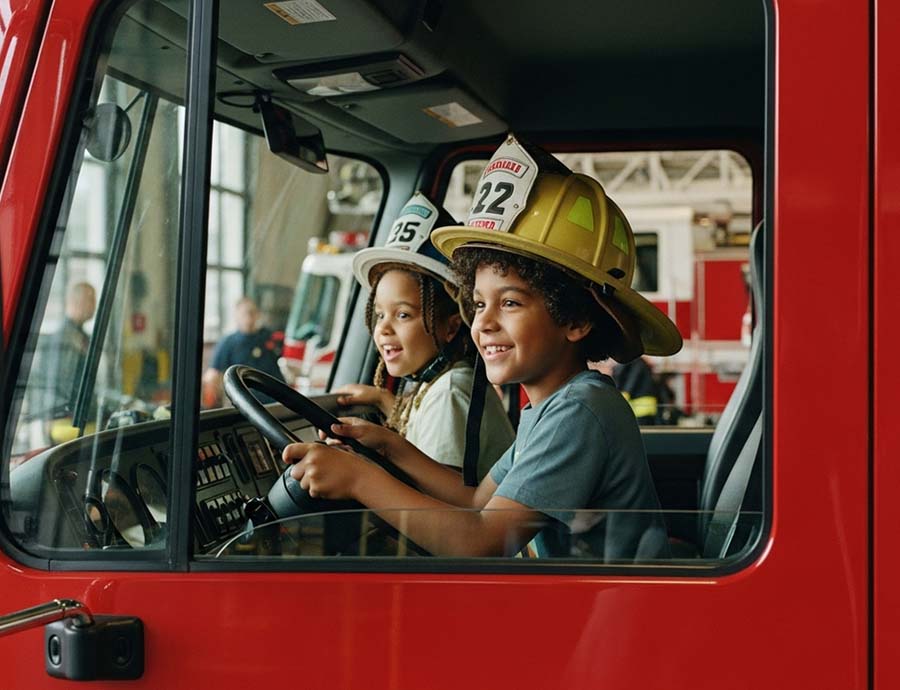
Becoming a firefighter requires physical strength and courage, but education and training play an important role in long-term success and career growth. Many firefighters complete a fire academy program, where they learn firefighting techniques, rescue skills, equipment use, fire safety procedures, and emergency response teamwork. Firefighters also study topics like fire behavior, building construction, hazardous materials, and incident command so they can make safe decisions under pressure. High school classes in health, biology, anatomy, leadership, and fitness can help students build strong foundations for this career.
Many firefighters also earn certifications that expand their responsibilities and career options. Most departments require training in CPR and first aid, and many firefighters become certified as EMTs or paramedics to respond to medical emergencies. Additional training may include technical rescue, wildland firefighting, hazardous materials response, fire prevention, and fire investigation. Workshops, training drills, and continuing education help firefighters stay prepared as tools, technology, and community needs evolve.
To Prepare…
Take classes in health, anatomy, biology, leadership, and physical education to build fitness, safety knowledge, and teamwork skills.
Join activities that develop responsibility and service, such as volunteering, leadership clubs, or community programs, to practice staying calm and helping others.
Explore CPR, first aid, or EMT learning opportunities through school programs, local community colleges, or public safety youth programs to gain early experience in emergency response.