

Did You Know?
Film directors don't usually operate the camera, act in scenes, or write the music, but they're the person who decides how all of those pieces fit together to tell one story.
The Numbers Behind the Career
The 2024 median salary for directors and producers was $83,480.
According to the Bureau of Labor Statistics, there were about 167,000 jobs for directors and producers in the U.S. in 2024.
About 12,800 producer and director job openings are projected annually over the next decade.
Where This Career Is Headed
Film directing continues to evolve through advances in technology, changes in how audiences watch content, and expanding creative voices. Directors are increasingly using digital tools, virtual production, and artificial intelligence to plan scenes, visualize stories, and streamline production. Streaming platforms and online media have created new formats, shorter content styles, and global audiences. There is also a growing focus on inclusive storytelling that represents diverse cultures, perspectives, and experiences.

Growth in streaming platforms and online content may expand opportunities for directors to create films, series, documentaries, and short-form media for global audiences.
Increased use of virtual production, digital effects, and AI-assisted tools might allow directors to experiment with visuals, plan scenes more efficiently, and reduce production costs.
Greater emphasis on diverse and inclusive storytelling could create opportunities for directors to tell new stories and reach wider audiences.
The expansion of interactive and immersive media, such as virtual and augmented reality, may enable directors to create stories that allow audiences to explore scenes in new and engaging ways.

Education & Certification
Most film directors study film, media studies, cinematography, communications, or related fields in college. Education often focuses on storytelling, script analysis, directing techniques, camera work, editing, sound, and production planning. High school classes in film, media, drama, English, art, and technology can help build a strong foundation for future studies.
Some film directors earn certifications or complete specialized training to highlight skills in areas such as video editing software, cinematography, sound design, screenwriting, or digital media production. Workshops, film programs, and online courses are also common ways to build technical and creative skills. Continued learning is important as filming tools, software, and storytelling formats continue to evolve.
To prepare…
Take film, media, drama, or technology classes to develop storytelling, communication, and visual-thinking skills that are important for film directing.
Participate in school activities such as drama club, film clubs, video projects, or media productions to gain hands-on experience working with creative teams, equipment, and storytelling ideas.
Create and experiment with short videos, scripts, or storyboards for school assignments or personal projects to practice planning scenes, giving direction, and turning ideas into finished stories.
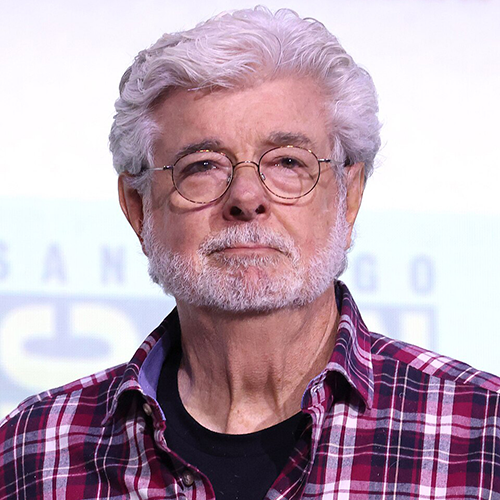
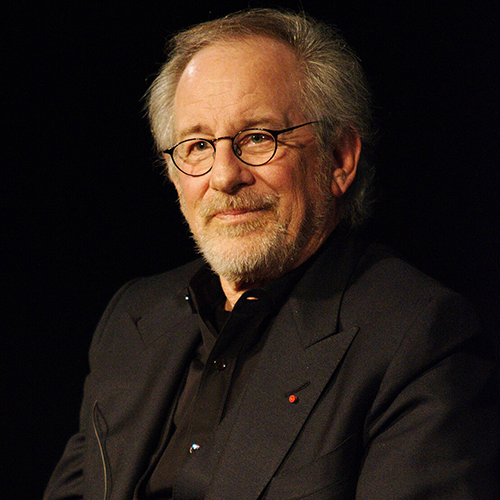
Spotlight: Explore the Life of a Film Director

Explore more resources for a future Film Director

Save the Cat! Writes a Novel: The Last Book On Novel Writing You'll Ever Need
Jessica Brody
Why We Picked It
Brody adapts Hollywood's famous beat sheet structure to novels, graphic scripts, and short films, giving young storytellers a clear framework for pacing any narrative.
Career Connection
Directors develop screenplays using structured beat sheets that map turning points, climaxes, and character arcs, and this book teaches the same story architecture that professional filmmakers build on.
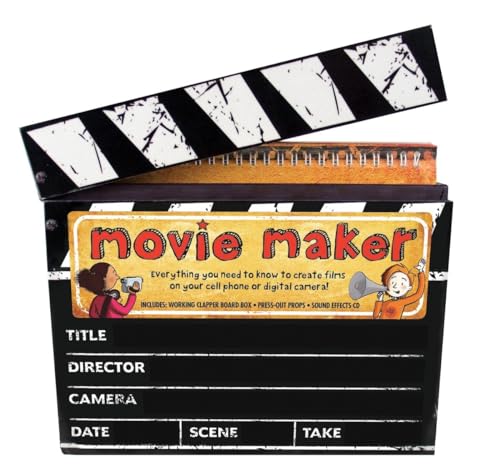
Movie Maker: The Ultimate Guide to Making Films
Tim Grabham
Why We Picked It
Step-by-step spreads cover scriptwriting, storyboarding, shooting, and editing, with QR-linked sample clips proving you don't need Hollywood budgets to make a real film.
Career Connection
Directors manage every phase of production — from script development through post-production — and this guide walks kids through that same end-to-end filmmaking pipeline with professional techniques.

Who Is Steven Spielberg? (Who Was?)
Stephanie Spinner
Why We Picked It
This engaging biography shows how Steven Spielberg turned his childhood love of home movies, storytelling, and wonder into the most commercially successful directing career in history.
Career Connection
Spielberg started making amateur films as a teenager using his family's camera, showing kids that professional directing careers grow directly from the same curiosity and backyard filmmaking they can start today.