
Did You Know?
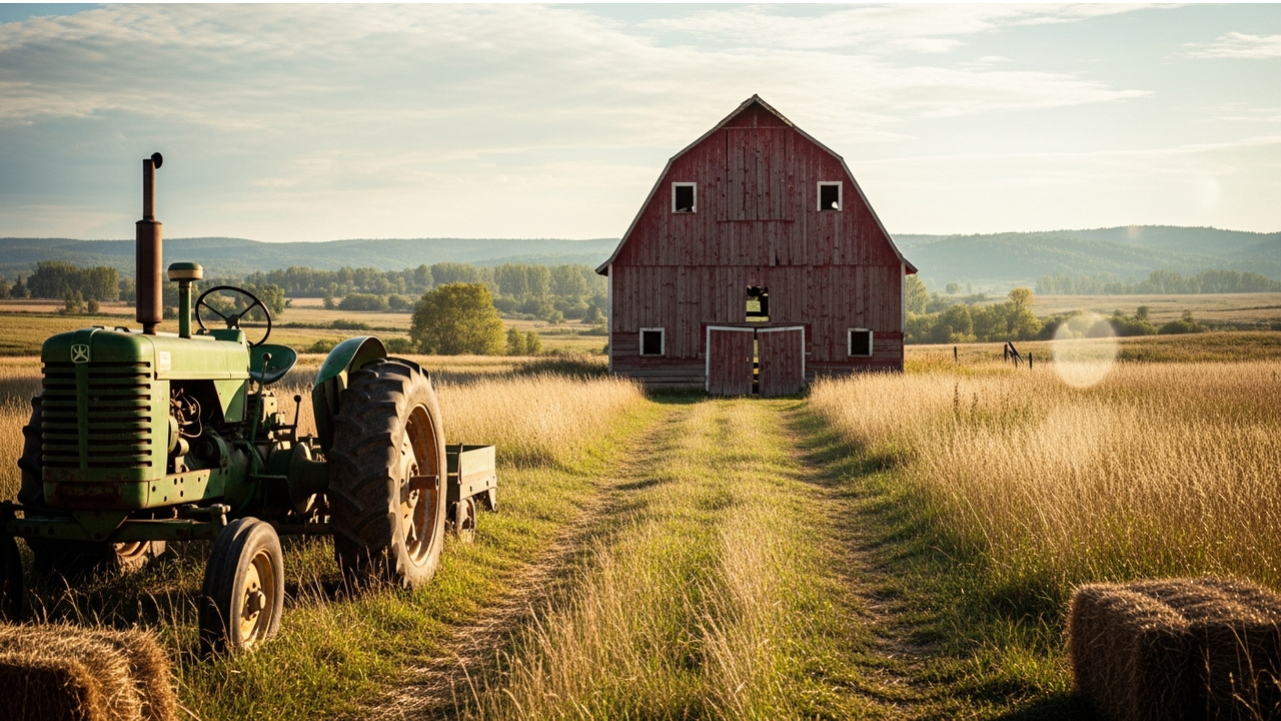
A single acre of farmland can produce about 42,000 pounds of strawberries, 50,000 pounds of potatoes, or enough wheat to bake around 2,500 loaves of bread.
What Farmers Really Do
Imagine you have a small patch of dirt in your backyard. You push tiny seeds into the soil, water them carefully, and wait. Days go by, and you start to worry that nothing will happen. Then one morning, you spot little green shoots poking through the dirt. Over the weeks, you watch those shoots grow taller, sprout leaves, and eventually produce bright red tomatoes. You pick one, still warm from the sun, and take a bite. You grew that! What started as a handful of seeds and a lot of patience became real food you can share with your family and friends.
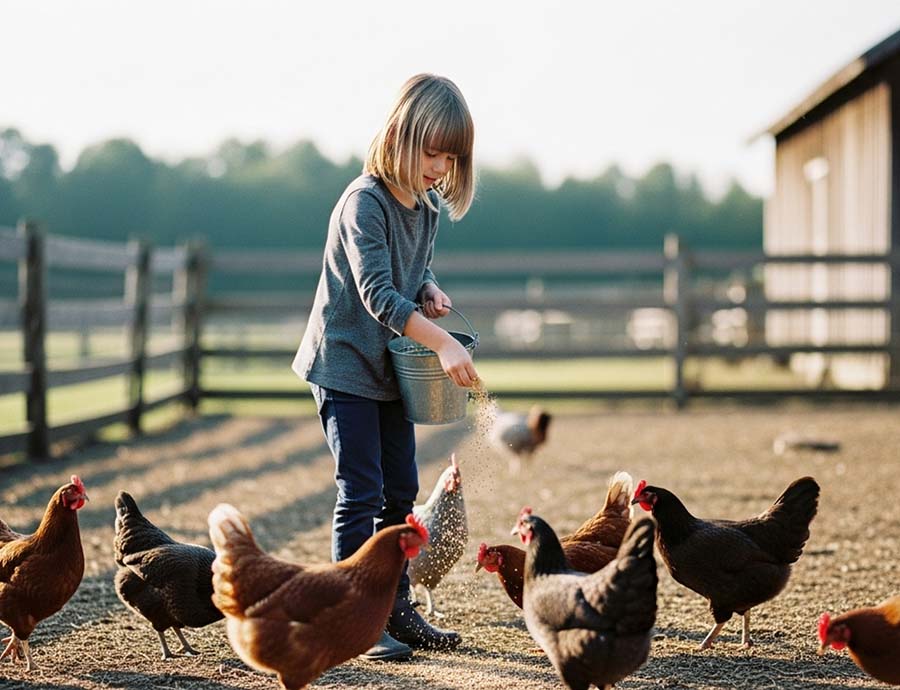
Becoming a farmer starts with paying attention to the living world around you. Farmers notice how rain changes the soil, how sunlight helps plants grow, and how animals behave when they need care. They learn by doing, and they are not afraid to get their hands dirty. If you enjoy being outside, watching things grow, taking care of animals, and wondering how nature works, you might already be thinking like a farmer.
You Might Love This If...
Skills That Follow You Everywhere
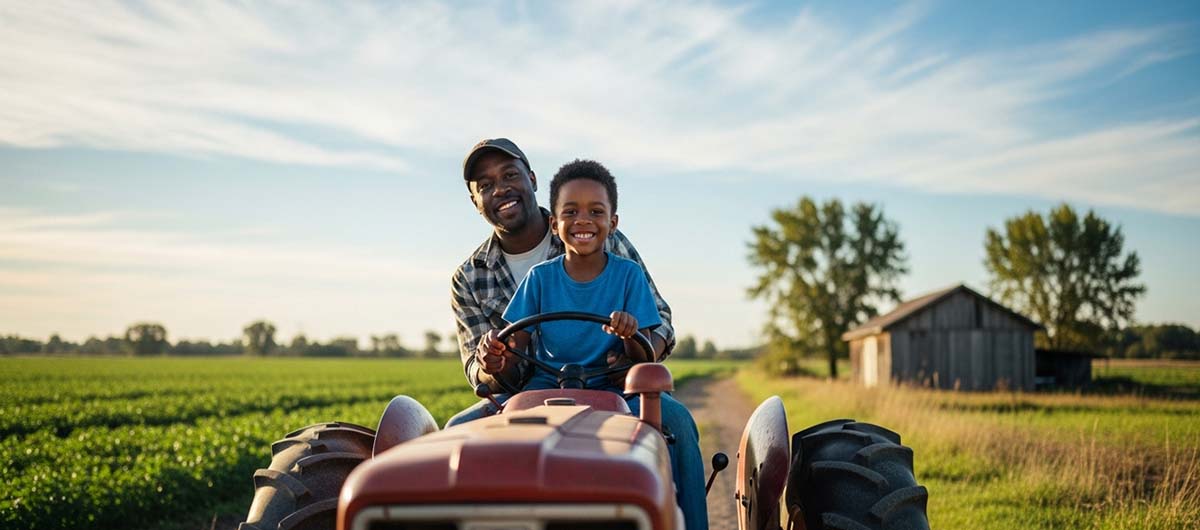
Being a farmer develops crucial skills that extend far beyond growing food and raising livestock. Farmers learn to manage complex operations, make decisions under uncertainty, and adapt to constantly changing conditions. These abilities are valuable in any business, leadership role, or community setting.
Resilience
Farming is deeply rewarding, but it can also be grueling. A hailstorm can destroy months of work in minutes. A disease can sweep through a herd. Market conditions can undercut even the best planning. Resilience is the ability to absorb those setbacks, learn from them, and come back the next season ready to try again. Resilient farmers draw on community support, develop backup plans, and maintain the long-term perspective needed to sustain a farm through good years and bad.
Adaptability
No two days on a farm are the same. Weather shifts, markets fluctuate, equipment breaks down, and crops or animals present unexpected challenges. Adaptability means adjusting plans quickly, trying new approaches when old ones stop working, and staying flexible in the face of conditions you cannot control. Farmers who can pivot and learn on the fly are the ones who keep their operations thriving through droughts, floods, price swings, and changing consumer demands.
Problem-Solving
Farmers face layered, real-world problems every day that require creative and practical solutions. A pest outbreak, a broken irrigation pump, a sudden price drop for a key crop: each challenge demands quick thinking and resourcefulness. Problem-solving on a farm means diagnosing issues accurately, weighing options with limited time, and using the resources at hand to find workable answers. Strong problem-solving helps farmers protect their livelihoods and keep food flowing to the people who depend on it.
Explore more resources for a future Farmer

Folks, This Ain't Normal: A Farmer's Advice for Happier Hens, Healthier People, and a Better World
Salatin, Joel
Why We Picked It
Career Connection
Farmers who practice regenerative and sustainable agriculture make daily decisions about soil, animals, and food systems that Salatin challenges head-on, inviting high-school readers to think seriously about what good farming means and why it matters for communities and the land.

George Washington Carver: An American Biography
Holt, Rackham | Holt, Rackham
Why We Picked It
Career Connection
Farmers who diversify their crops, improve their soil, and work in harmony with the land practice the kind of agricultural science Carver spent his life developing, and his work remains one of the most important foundations the profession is built on.

Animal Farm: Fun Facts About Farm Animals
Baby Professor
Why We Picked It
Career Connection
Farmers know every animal in their care as an individual with its own needs and rhythms, and building early curiosity and genuine affection for farm animals is often exactly where a lifelong connection to the land begins.