
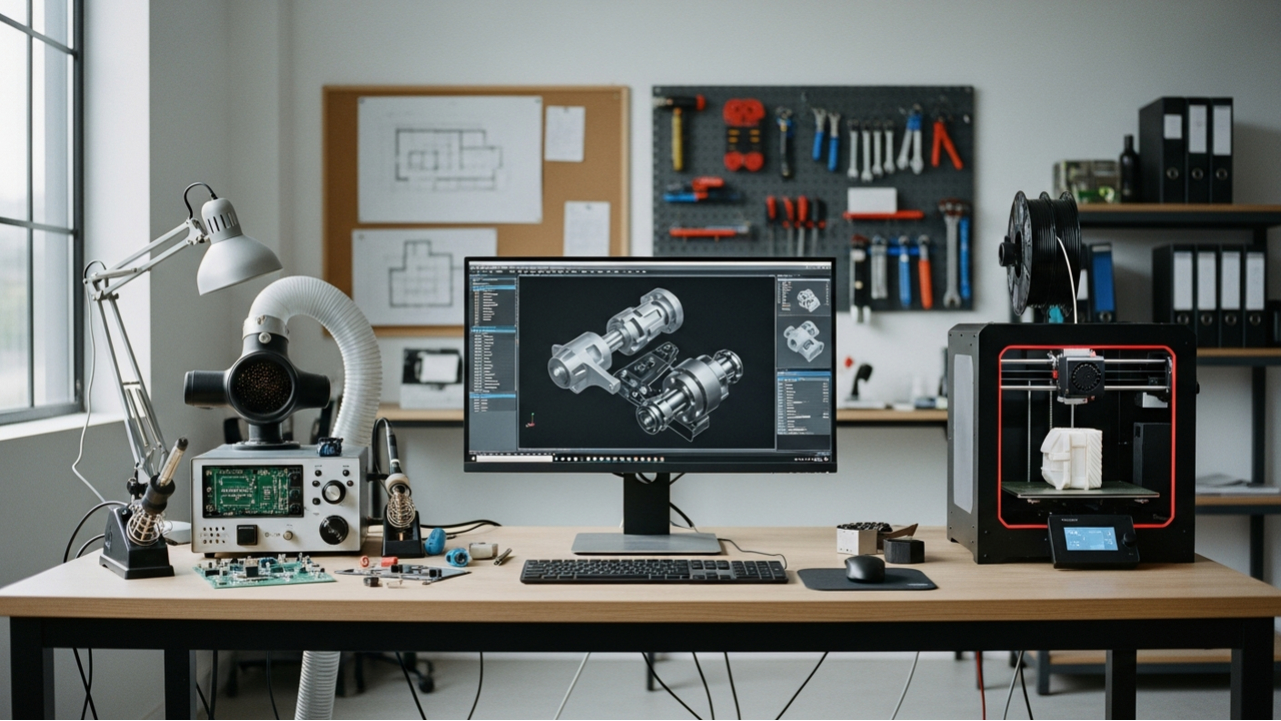
Did You Know?
Engineers designed running shoes to protect your feet and joints. They calculate exactly how much force travels from the ground through the shoe to your foot and distribute weight evenly from heel to toe.

How to Get Started
Beginning a career in engineering involves building things, solving problems, and becoming comfortable with math and science. Engineering is mainly about turning ideas into reality, so the best preparation includes hands-on experience in designing, building, and testing your own projects. Starting early with building projects, developing strong academic skills, and engaging with the engineering community can set you on a path to becoming an engineer.
Explore the Basics
Start building! Use LEGO, blocks, cardboard, craft supplies, or recycled materials to create structures, vehicles, and inventions. Pay attention to what makes your creations strong or weak, fast or slow. Keep a notebook where you draw your designs and write about what worked and what you would change next time.
Try It Out
Try engineering challenges at home by building bridges from popsicle sticks and testing how much weight they can hold. Design small boats with paper or cardboard that float and see how many they can carry before sinking, or create simple machines with pulleys and levers from household items. These activities show how Engineers learn from what doesn’t work and improve or iterate step by step.
Join the Community
Visit science and technology museums, maker fairs, or factory tours to see engineering in action. Pay attention to how engineers design, build, and test products, structures, or systems, and notice the tools and technology they use. Seeing engineering in real settings helps connect classroom learning to real-world careers and sparks ideas about different engineering pathways.
How to Become a Engineer
Explore more resources for a future Engineer
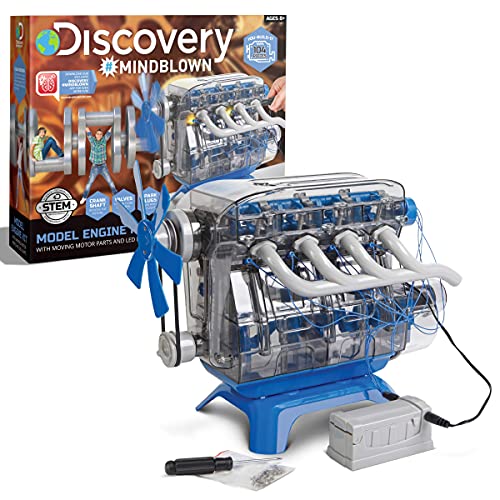
Discovery Model Engine Building Kit, DIY 4-Cylinder Combustion Engine, Working Pistons Fan Valves Belts LED Lights, STEM Mechanic Engineering Construction Experiment Set, Kids & Adults Gift
Why We Picked It
Career Connection
Mechanical engineers analyze combustion cycles, valve timing, and thermal efficiency when designing engines, and this visible model makes those same internal processes tangible and understandable.
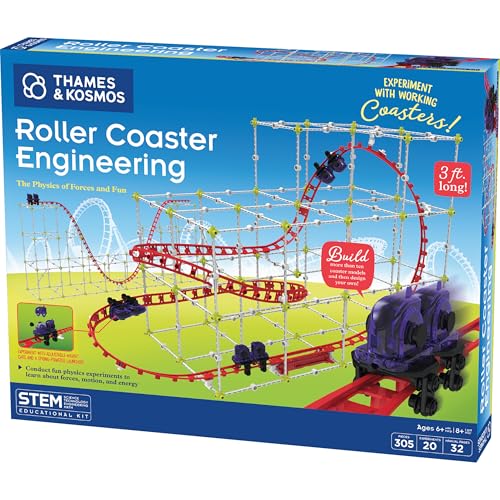
Thames & Kosmos | Roller Coaster Engineering STEM Kit | Design, Build, Experiment w/ Working Models | Explore Physics, Forces, Motion, Energy, Velocity & More | Solve Building Challenges
Why We Picked It
Career Connection
Structural and mechanical engineers design amusement rides by calculating g-forces, track stress, and safety margins, and this kit introduces those same physics-driven design challenges.

10 in 1 STEM Toys for 4 5 6 7 8+ Year Old Boy Girl Birthday Gifts Building Toys Stem Kits Activities for Kids Ages 4-8 5-7 6-8 Educational Learning Boy Toys Age 3-5 4-6 8-10 Engineering Creative Games
Why We Picked It
Career Connection
Mechanical engineers prototype multiple design variations before selecting the best solution, and this set teaches the same build-test-compare methodology that drives professional engineering decisions.