
Did You Know?
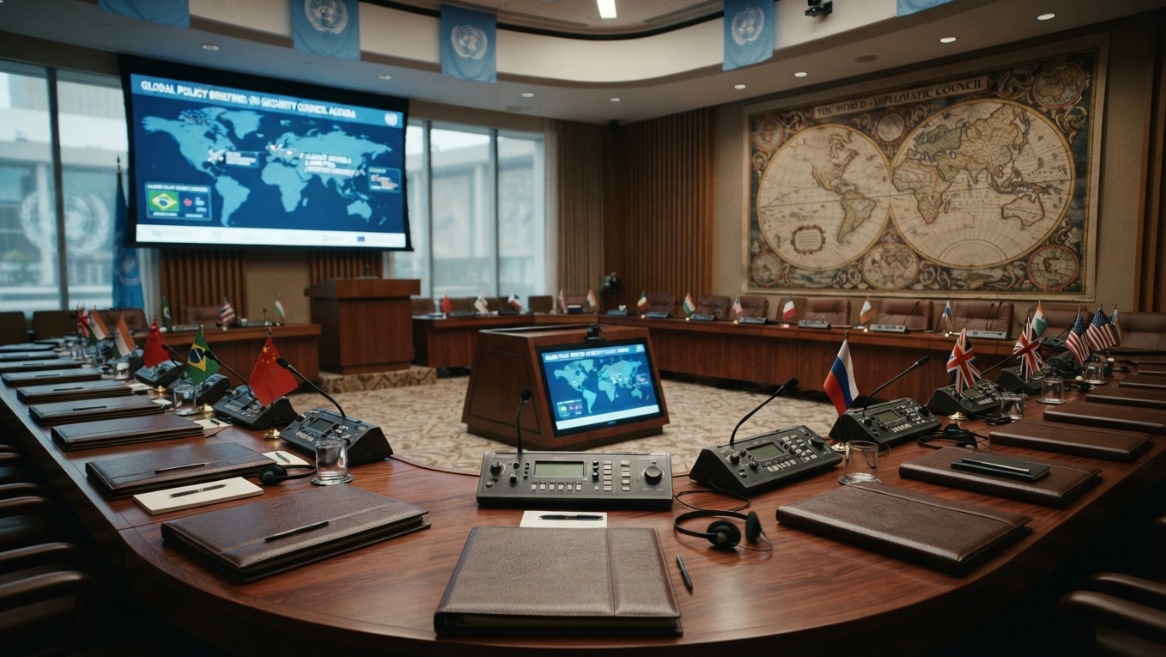
Diplomats are trained to navigate elaborate rules of etiquette that change from country to country, including exactly how many seconds to bow, which hand to use for a handshake, and whether it is polite or rude to finish every bite of food on your plate.
What Diplomats Really Do
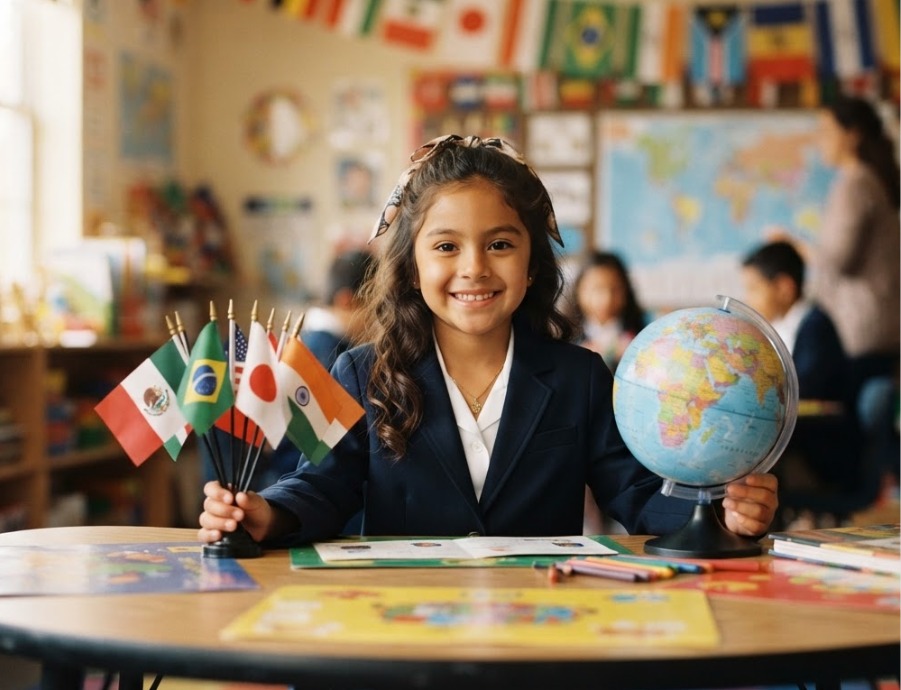
Picture standing between two friends who are in the middle of an argument, and your job is to help them find a way to agree. That is something like what a diplomat does, except instead of two friends, it might be two entire countries. Diplomats represent their country in other places around the world, building friendships, solving problems, and making sure people can work together even when they see things differently. They travel often, learn new languages, and meet people from cultures very different from their own. If you love meeting new people and helping others get along, you are already practicing skills diplomats use every day.
Diplomats live and work in places far from home, representing their country at events, meetings, and even emergencies. They might help a tourist who lost their passport, welcome leaders visiting from another nation, or sit at a table where two countries are trying to settle a disagreement peacefully. The job takes patience, curiosity about other cultures, and a steady calm even when things get tense. Every posting brings new food, new holidays, and new ways of saying hello, and part of the job is learning to love that instead of finding it overwhelming. Diplomats prove every day that listening and respect can solve problems that arguing never could.
You Might Love This If...
Skills That Follow You Everywhere
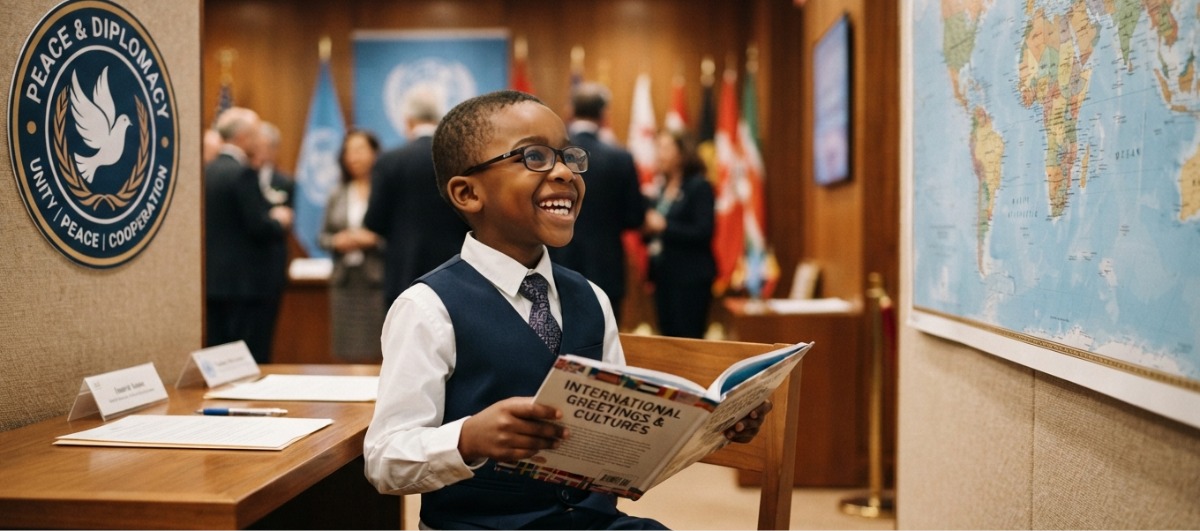
Diplomats develop skills that matter far beyond formal negotiations and embassy meetings. They learn to navigate disagreement without losing relationships, communicate clearly across language and cultural barriers, and stay composed when the pressure is high and the stakes are real. These abilities serve people well in any career that involves working with others who see the world differently than they do.
Adaptability
Diplomats are often reassigned to a new country every few years, requiring them to adjust quickly to unfamiliar languages, customs, and political climates. What works in one posting, a certain tone, a certain approach to small talk, might be completely wrong in the next. Adaptability means staying effective and respectful even when the rules of everyday life keep changing around you.
Communication
Diplomats spend their careers translating intent across language barriers, cultural assumptions, and political sensitivities, where a single word choice can shift the outcome of a negotiation. They learn to say difficult things clearly without causing offense, listen for what is meant as well as what is said, and adjust their message for audiences who may not share their frame of reference. Communication for a diplomat means precision under pressure, where clarity and tact have to work together at the same time.
Empathy
Successful negotiation depends on understanding what the other side actually needs, not just what they say out loud. Diplomats spend years studying another country's history and current pressures so they can see a conflict from the other side's point of view, not just their own. Empathy means recognizing that the other delegation has its own fears and priorities driving its decisions at the table, even when those priorities conflict with yours.