

Did You Know?
A single self-driving car generates about four terabytes of data per day from its cameras, radar, and sensors. Data scientists build the models that help these vehicles make split-second driving decisions.
The Numbers Behind the Career
There were about 202,600 data scientist jobs in the U.S. in 2023.
The median annual salary for data scientists was $108,020.
Employment of data scientists is projected to grow 36% percent from 2023 to 2033.
Where This Career Is Headed
Data science continues to evolve rapidly as artificial intelligence, machine learning, and cloud computing reshape how organizations collect, analyze, and act on information. Generative AI and large language models are creating new categories of work for data scientists, from fine-tuning models for specific business applications to building responsible AI frameworks. The growing emphasis on data ethics, privacy, and fairness is pushing the profession to consider not just what data can reveal but how it should be used. As data becomes central to decision-making in every industry, the demand for professionals who can combine technical skill with sound judgment and clear communication continues to accelerate.
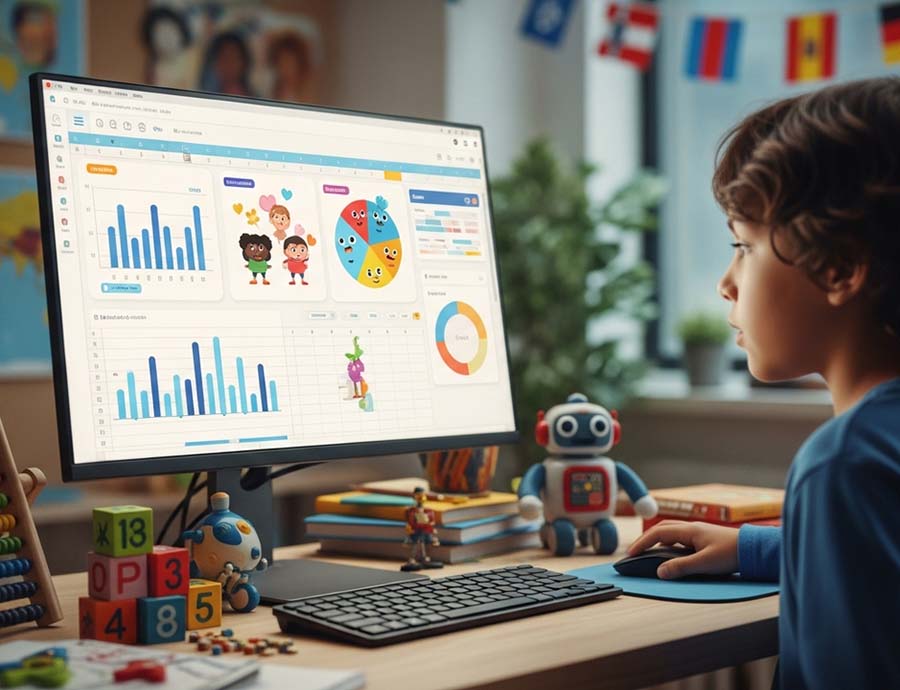
Artificial intelligence and machine learning will create a growing demand for data scientists who can design, train, and deploy predictive models across healthcare, finance, logistics, and beyond.
The expansion of real-time data from Internet of Things (IoT) devices, wearables, and sensors will open new roles in streaming analytics and edge computing.
Organizations will increasingly need data scientists specializing in responsible AI, algorithmic fairness, and data privacy to ensure models are ethical and compliant with regulations.
The rise of self-service analytics platforms will shift data scientists toward higher-value work, such as building custom models, designing experiments, and developing data strategy.

Education & Certification
Data science draws people from a wide range of educational backgrounds. Many data scientists hold bachelor’s or master’s degrees in fields like computer science, statistics, mathematics, engineering, or physics, while others transition from disciplines like economics, biology, or social science. Universities and online platforms offer specialized degree programs and certificates in data science, machine learning, and analytics. Coursework typically covers statistics, programming in Python and R, machine learning, data visualization, and database management. Increasingly, experience with cloud platforms, big data tools, and AI frameworks is expected.
Professional development for data scientists continues throughout their careers through conferences, open-source contributions, online courses, and industry certifications. Organizations like Google, IBM, Microsoft, and AWS offer widely recognized data science and machine learning certifications. Platforms such as Coursera, edX, and DataCamp provide structured learning paths that range from foundational skills to advanced specializations. Many data scientists also build public portfolios of projects on platforms like GitHub and Kaggle to demonstrate their skills and stay current with the field.
To Prepare…
Take classes in mathematics, statistics, computer science, and science to build the analytical and technical foundation that data science requires.
Start learning to code in Python or R through free online resources, school electives, or coding clubs, and practice working with real datasets.
Build projects that involve collecting, cleaning, and analyzing data to answer questions you are genuinely curious about, and share your work online to start building a portfolio.
Spotlight: Explore the Life of a Data Scientist

Explore more resources for a future Data Scientist

Data Science for Teens
Bernard, Dr Promise
Why We Picked It
Career Connection
Data scientists identify patterns and build models to predict outcomes, and this guide shows teens those same ideas working inside the algorithms already shaping their daily lives, bridging the gap between abstract concepts and real applications.

The ABCs of Data Science: By Real Data Scientists, For Future Data Scientists (Very Young Professionals)
Mathur, Rikin
Why We Picked It
Career Connection
Data scientists work daily with probability, analysis, and machine learning, and this book plants those ideas early in approachable language, giving kids a comfortable first vocabulary for a field they might one day help shape.

Numsense! Data Science for the Layman: No Math Added
Ng, Annalyn | Soo, Kenneth
Why We Picked It
Career Connection
Data scientists apply tools like clustering, decision trees, and anomaly detection to draw meaning from raw data, and this guide explains how those tools work and where they are used, giving students a map of the analytical toolkit the job depends on.