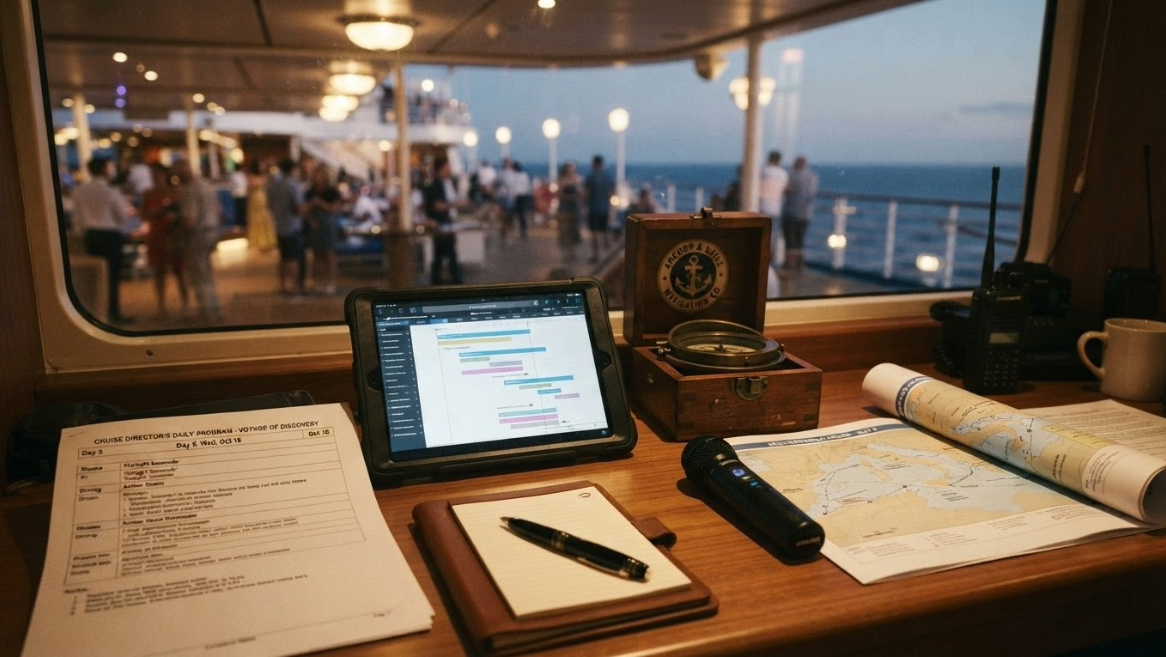
Did You Know?
A cruise director lives at work. Crew members stay aboard for contracts that run from about three to eight months, working alongside colleagues from many countries.
The Numbers Behind the Career
There were about 43,900 entertainment and recreation managers in the U.S. in 2025.
About 5,100 entertainment and recreation manager openings are expected each year over the next decade.
The median salary for entertainment and recreation managers in the U.S. in 2025 was $79,520.
Where This Career Is Headed
The cruise industry is growing fast and changing what it offers. Passenger numbers set a record in 2025, and cruise lines are answering the demand with ships that carry more guests and pack in more entertainment than ever, from roller coasters and water parks to Broadway-style productions and private island destinations. That expansion means larger entertainment departments and more opportunities for people who can lead them.
At the same time, cruise lines are reaching new audiences: younger travelers, multigenerational families, and passengers from countries that barely cruised a decade ago, which puts a premium on cruise directors who can connect with a truly global crowd. Technology is changing the job as well, with ship apps replacing paper daily programs and reaching guests directly on their phones. The cruise director of the next decade will need the same stage presence and organizational skill the job has always demanded, plus the cultural fluency and comfort with technology that a bigger, more diverse industry requires.

Record passenger numbers and a growing global fleet mean more ships, larger entertainment teams, and more paths from entry-level activity staff to cruise director.
Cruise lines are recruiting from more countries and serving more nationalities than ever, creating demand for cruise directors with language skills and international experience.
The skills of a cruise director- hosting, event management, and leading a multinational team- transfer to resorts, theme parks, event companies, and hospitality management on land.

Education & Certification
No single degree is required to become a cruise director. Cruise lines hire mainly on experience and personality. Most start in entry-level entertainment or activity roles, such as activity host, youth staff, or entertainment staff, then advance to assistant cruise director and finally cruise director. A bachelor's degree in hospitality management, communications, theater, or recreation is common and helps with the management side of the job. Above all, cruise lines look for a proven ability to host events, perform on stage, lead a team, and manage budgets.
Every crew member must meet basic requirements for working at sea, including a valid passport, a seafarer medical exam, and English proficiency. Minimum age varies by cruise line. Before joining a ship, crew complete STCW Basic Safety Training, an internationally recognized course covering fire prevention, survival at sea, first aid, and personal safety. No professional certification exists specifically for cruise directors. The credential that matters is a track record of completed contracts and well-run events.
To Prepare...
Take speech, drama, or public speaking classes, and get on stage as often as you can, because cruise lines look for comfort in front of a crowd first.
Study a second language. Cruise crews and passengers come from dozens of countries, and even conversational Spanish, French, or another language is a real advantage.
Get hospitality experience wherever you can find it: a job at a restaurant, hotel, camp, theme park, or community recreation program teaches the guest-service instincts the job depends on.
Spotlight: Explore the Life of a Cruise Director
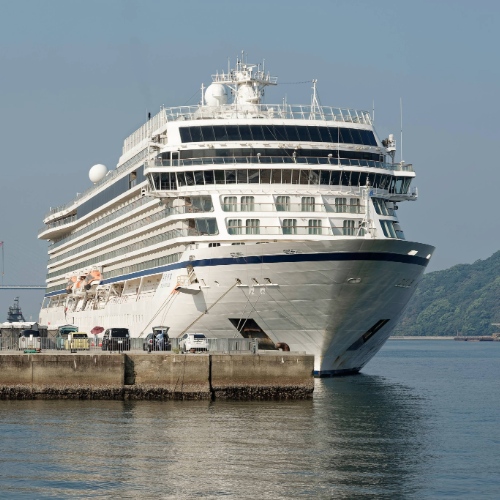
Cruise Lines International Association (CLIA)
Learn More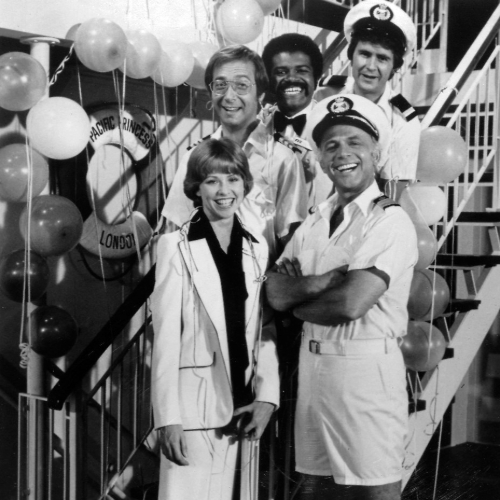
Jeraldine Saunders
Learn More