

Did You Know?
Some baseball pitchers can throw a ball over 100 miles per hour, while elite soccer players can kick a ball at speeds over 80 miles per hour.
The Numbers Behind the Career
About 2,100 athlete and sports competitor job openings are projected annually over the next decade.
The 2024 median annual wage for coaches and scouts was $45,920, and for athletic trainers it was $60,250, reflecting careers that many athletes pursue beyond playing professionally.
According to the Bureau of Labor Statistics, there were about 19,100 jobs for athletes and sports competitors in the U.S. in 2024.
Where This Career Is Headed
Athletics continues to evolve as technology, science, and global access change how athletes train, compete, and build careers. Athletes are using advanced tools such as performance data, video analysis, wearable technology, and recovery science to improve results and reduce injury risk. Opportunities in sports are expanding beyond traditional competition into areas including analytics, media, esports, and global leagues. There is also a growing focus on athlete wellness, inclusion, and equal access across abilities and backgrounds.
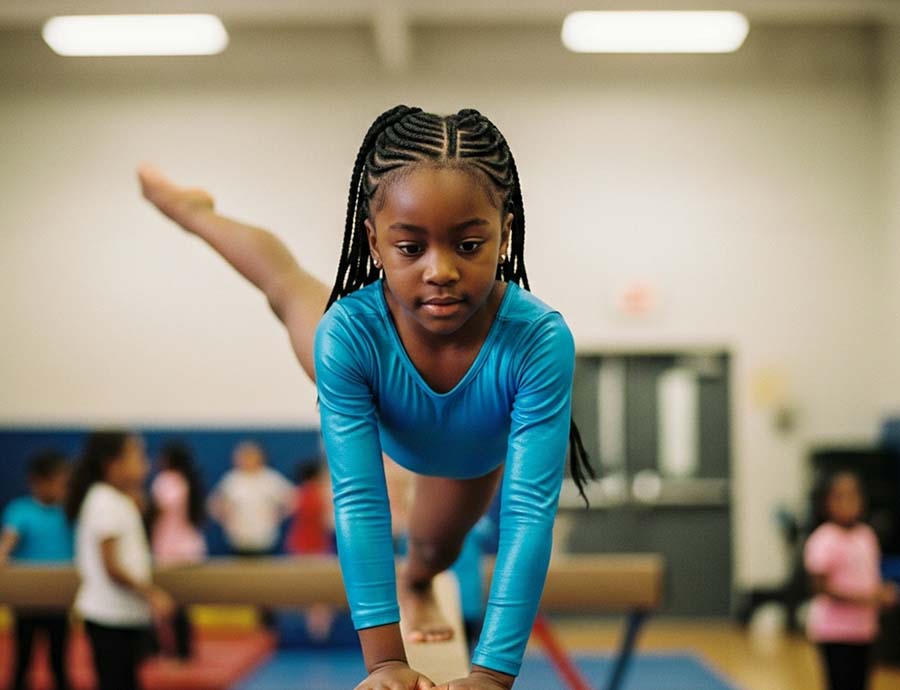
Advances in sports science, data analytics, and wearable technology will help athletes train smarter, recover faster, and extend their careers.
Virtual training platforms, video analysis, and remote coaching tools will allow athletes to learn skills and strategies from anywhere in the world.
Social media and digital platforms will give athletes more opportunities to build personal brands, earn a living, connect with fans, and explore careers in media and entrepreneurship.
Expanding roles in coaching, sports medicine, performance analytics, and sports management will offer career options beyond playing.
Education & Certification
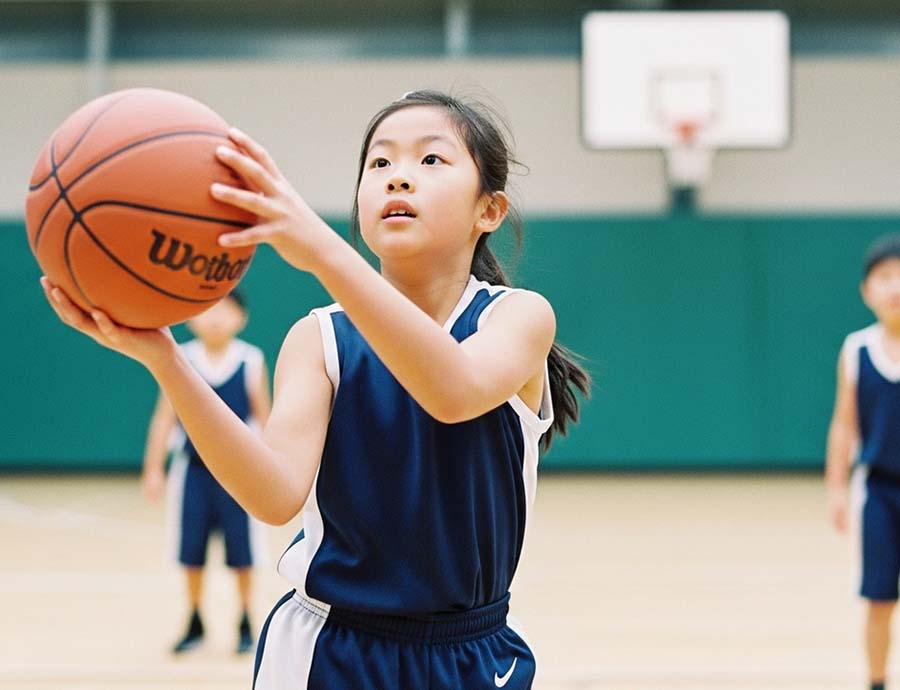
Athletic success often begins with physical talent and sport-specific skills, but education and training play an important role in long-term growth and career opportunities. Many athletes study fields such as kinesiology, sports science, physical education, psychology, nutrition, or sports management in college. These programs help athletes understand how the body moves, how performance improves, and how teams and organizations operate. High school classes in health, science, leadership, and business can also support athletic development and future planning.
Some athletes pursue certifications or specialized training to strengthen their skills or explore careers beyond competition. Coaching certifications, personal training credentials, sports medicine programs, and athletic administration courses allow athletes to turn experience into expertise. Workshops, camps, clinics, and online learning help athletes continue developing both physically and professionally as sports evolve.
To Prepare...
Take classes in health, physical education, science, leadership, or business to better understand performance, teamwork, and sports systems.
Participate in team sports at school and take on leadership roles, mentorship programs, or coaching opportunities to explore careers beyond playing the sport.
Attend sports camps, clinics, or certification programs to improve skills and learn about training, injury prevention, or athlete development.
Spotlight: Explore the Life of a Athlete
Explore more resources for a future Athlete

NERF Kids Foam Football - Pro Grip Youth Soft Foam Ball - Indoor + Outdoor - Small NERF Foam Football - 9" Inch Youth Sized Ball - Blue + Black
Nerf
Why We Picked It
Career Connection
Great for the budding football player in your family.

Who Are Venus and Serena Williams?
James Buckley Jr
Why We Picked It
Career Connection
Professional tennis players begin structured training in childhood and compete on junior circuits, and the Williams sisters' story maps that real developmental pathway from backyard to center court.

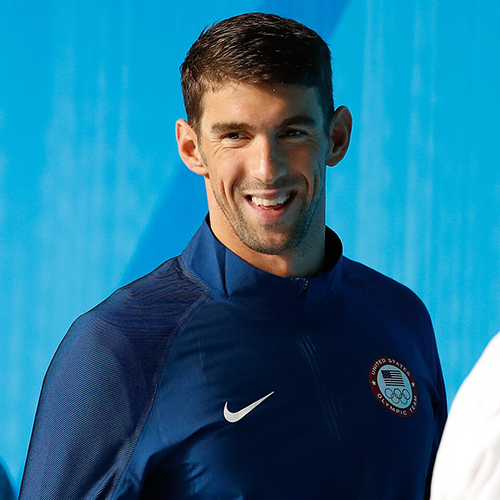
Who Is Michael Phelps? (Who Was?)
Micah Hecht
Why We Picked It
Career Connection
Competitive swimmers train twice a day and track performance in hundredths of a second, and Phelps' story shows kids the precise, data-driven dedication that Olympic-level sport demands.