
Did You Know?
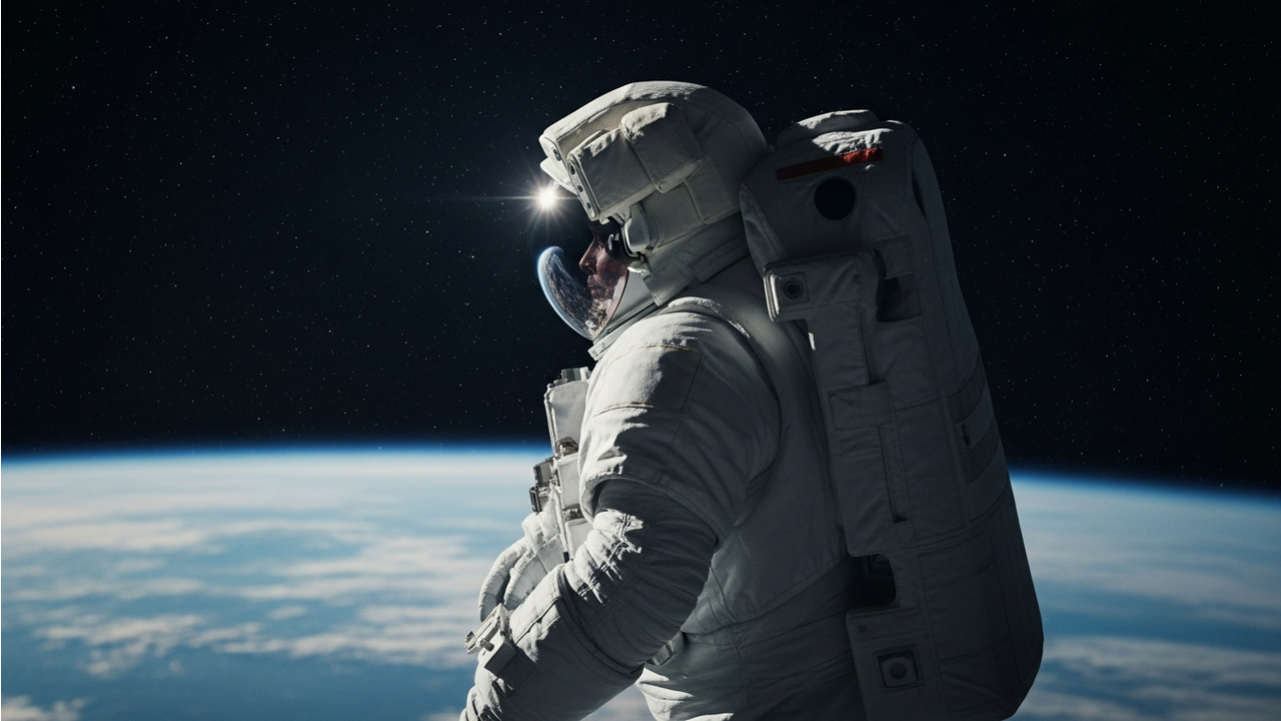
A single NASA spacesuit, called an Extravehicular Mobility Unit, costs approximately $12 million and takes about 45 minutes to put on, with help from another crew member.
What Astronauts Really Do
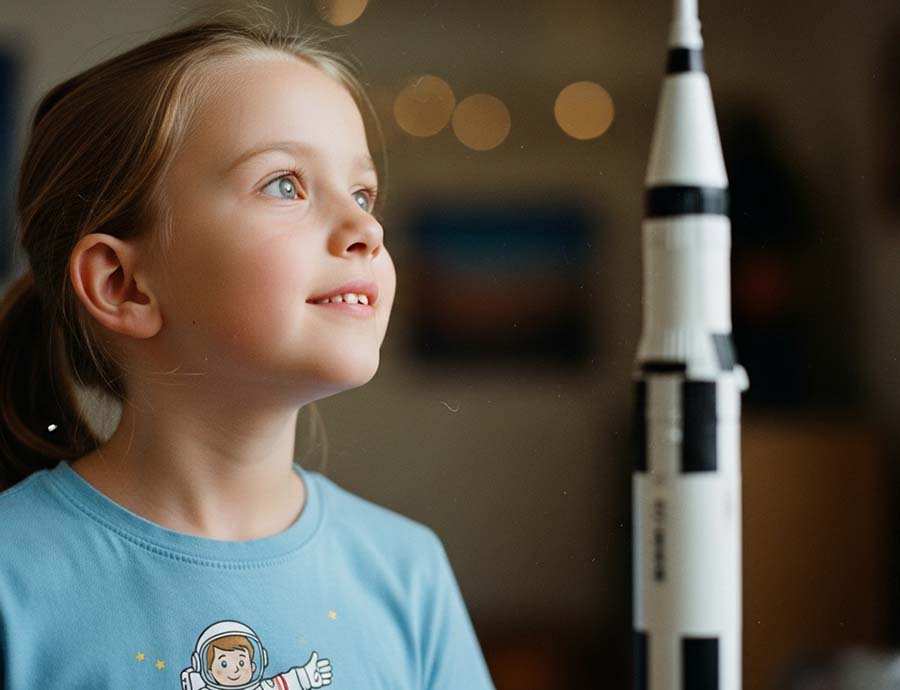
You are floating. Your feet are not touching the floor, your pencil drifts away when you let go, and your drink is a wobbly bubble of water hanging in the air in front of you. Outside your window, you can see the bright blue curve of Earth against the blackness of space. This is a regular day at the office for an astronaut. Astronauts are explorers who travel beyond our planet to study space, conduct science experiments, and help us understand the universe we live in.
Astronauts spend years preparing for their missions, learning everything from science and engineering to how to fix equipment and even how to exercise in zero gravity. They work as part of a close team and rely on each other every single day. If you are the kind of person who looks up at the night sky and wonders what is out there, who loves science experiments and building things, and who is not afraid of a really big challenge, you might already be thinking like an astronaut.
You Might Love This If...
Skills That Follow You Everywhere
Pursuing a career as an astronaut builds extraordinary skills in any context. Future astronauts learn to work seamlessly as part of a high-stakes team, solve problems where failure is not an option, and adapt to environments no one can fully prepare for. These abilities are valuable in any career that demands leadership, resilience, and clear thinking under pressure.
Adaptability
Nothing about living in space is normal. The human body behaves differently in microgravity, daily routines must be completely restructured, and every mission brings surprises that no amount of training can fully predict. Astronauts learn to adjust quickly to new environments, shifting priorities, and unexpected obstacles without losing focus or effectiveness. This ability to stay grounded and productive when everything around you is unfamiliar is one of the most transferable skills a person can develop.
Teamwork
Astronauts live and work in close quarters with a small crew for weeks or months at a time, often with colleagues from different countries and cultural backgrounds. Every task on a space mission depends on trust, clear communication, and each person doing their part with precision. There is no room for ego or miscommunication when a mistake could endanger the entire crew. Learning to work this closely with others, to give and receive honest feedback, and to put the mission ahead of individual preferences builds powerful teamwork skills that are valuable in any profession.
Problem-Solving
In space, problems do not wait for convenient timing. Equipment malfunctions, experiments produce unexpected results, and conditions change without warning. Astronauts must diagnose issues quickly, often with limited tools and no ability to call for outside help. They learn to stay calm, think methodically, and improvise solutions using whatever resources are available. This kind of real-time, high-stakes problem-solving cultivates a mindset effective in any challenging career.
Explore more resources for a future Astronaut

Mae Jemison (Rookie Biographies)
Jodie Shepherd
Why We Picked It
Career Connection
Jemison was both a physician and an astronaut, showing kids that space careers draw on diverse skills from medicine and engineering to leadership and problem-solving.

Neil Armstrong: 136 Fascinating Facts For Kids
Rod Weston
Why We Picked It
Career Connection
Armstrong's mission required precise navigation, spacecraft systems knowledge, and calm decision-making under pressure — the exact skills NASA trains every astronaut to master.