



About Actor
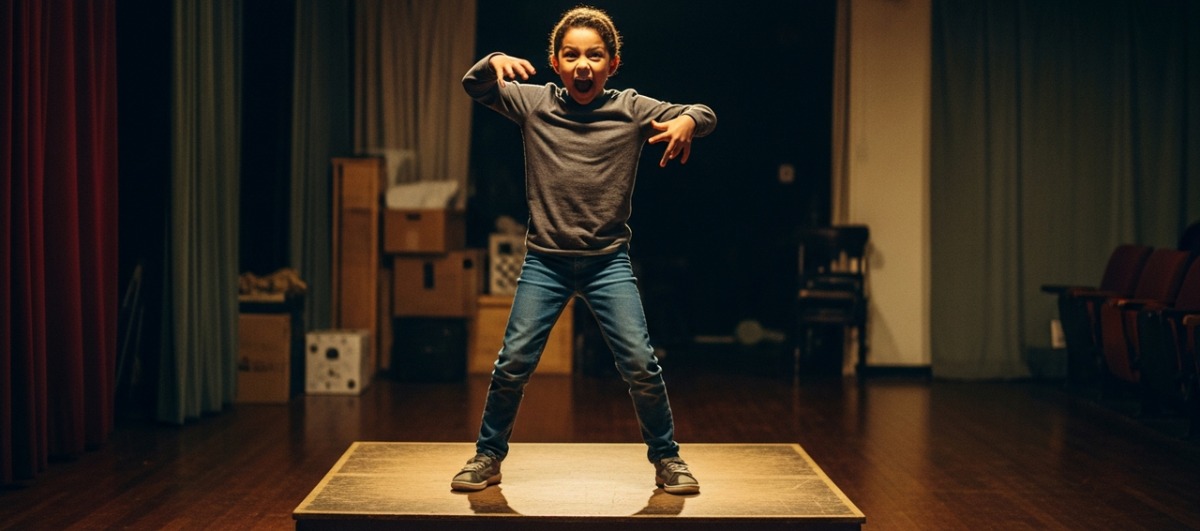
Have you ever played pretend and become a superhero, a pirate, or a character from your favorite story? That's what actors do every day, except they do it on stages, in front of cameras, and for audiences around the world! Actors use their voices, faces, and bodies to become different characters and make people laugh, cry, or sit on the edge of their seats. They might film a scene for a movie one day and perform a play in front of a live audience the next.
Imagine memorizing your lines, putting on a costume, and stepping onto a stage where hundreds of people are watching. Actors work with directors who help them figure out how to move and speak, and they rehearse the same scenes over and over until everything feels just right. They also work closely with other actors, because telling a great story is always a team effort. If you love using your imagination, expressing big feelings, and bringing stories to life, you might love being an actor!
You Might Love This If...
- Watching a movie or cartoon makes you jump up and start acting out your favorite scenes before the credits even roll.
- Making your friends laugh by doing silly voices, funny faces, or dramatic reactions is basically your superpower.
- You notice how people act when they're happy, nervous, or trying to hide something, and you can copy it perfectly.
- You turn every cardboard box, blanket, and stick into a prop for an imaginary adventure that lasts all afternoon.
Explore more resources for a future Actor:
More Than a Job
Acting builds important skills that go far beyond performing on stage or screen. Actors learn how to communicate clearly, work with others, and respond to new situations with confidence. These skills are valuable in school, future careers, and everyday life.