Photo: Berthold Werner, CC BY-SA 4.0 <https://creativecommons.org/licenses/by-sa/4.0>, via Wikimedia Commons
Who He Was
Max Factor was born Maksymilian Faktorowicz in Poland in 1877, when it was part of the Russian Empire. As a boy, he apprenticed to a wigmaker and cosmetician and became so skilled that he went on to create wigs and face paint for the Imperial Russian Grand Opera and members of the Russian royal family. In 1904, he and his family sailed to America with little money, passed through Ellis Island, and settled in St. Louis. In 1908, he moved to Los Angeles, where movies were just getting started, and opened a shop supplying wigs and theatrical makeup to the new film studios. The thick stage greasepaint of the day cracked and looked terrible on camera, so by 1914 Factor had created a thinner, cream-style greasepaint made especially for film, the first cosmetic designed for the movies.
Why He Matters
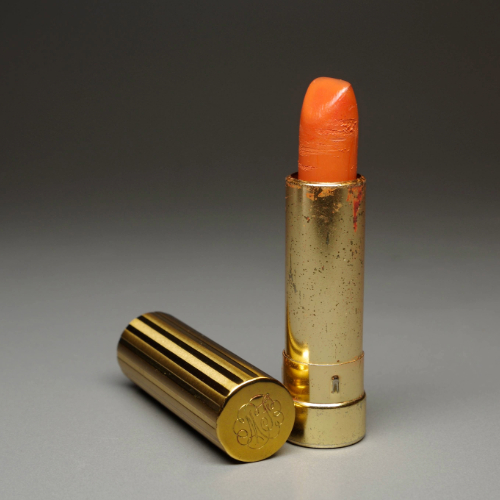
Factor helped make "makeup" the everyday word for cosmetics: around 1920 he began calling his products "make-up," from the phrase "to make up one's face," and the name stuck. In 1937, he patented Pan-Cake, a makeup that looked natural under bright studio lights and on film, and his work earned him a special Academy Award. Movie stars trusted him so completely that his makeup techniques spread from the studios to everyday people, helping to turn cosmetology into a profession and a worldwide industry. His story shows young people that an apprenticeship started in childhood, combined with careful attention to how colors and light really behave, can change how the whole world sees beauty.