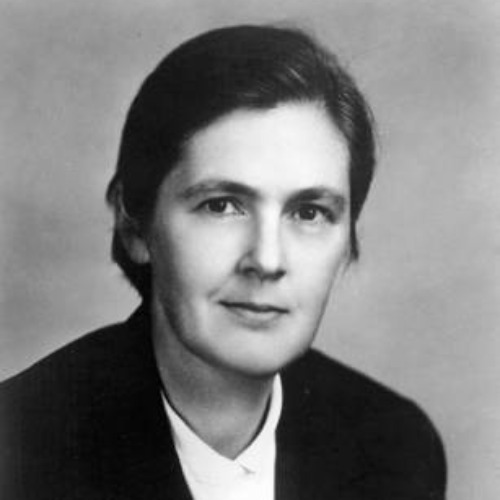
Photo: The photographer is unknown., Public domain, via Wikimedia Commons
Who She Was
Frances Kelsey was a Canadian-born pharmacologist and physician who joined the U.S. Food and Drug Administration in 1960, just weeks before a pharmaceutical company submitted an application to sell a new sedative called thalidomide in the United States. The drug was already being sold across Europe and had been approved in more than 40 countries, and the company expected routine approval within weeks. Kelsey refused. She had serious concerns about gaps in the safety data, particularly regarding how the drug might affect developing fetuses, and she held firm through months of pressure from the company, repeated requests to expedite the review, and complaints to her supervisors. Her refusal proved correct: thalidomide caused severe birth defects in thousands of children born to mothers who took it in Europe, and the United States was largely spared because one compliance officer would not approve a drug she was not convinced was safe.
Why She Matters
Kelsey's story is one of the clearest illustrations of what compliance work looks like when it matters most. She did not have certainty on her side, she had concerns, incomplete data, and significant institutional pressure to move faster than the evidence warranted. The fact that she held firm anyway and was proven right is what makes her career worth studying. In 1962, President Kennedy awarded her the President's Award for Distinguished Federal Civilian Service, and her case directly inspired the Kefauver-Harris Amendment, which fundamentally strengthened the FDA's drug approval requirements. She demonstrated that a single compliance officer with the knowledge, judgment, and courage to say no can protect millions of people from harm.