Photo: Cashinj, CC BY-SA 4.0 <https://creativecommons.org/licenses/by-sa/4.0>, via Wikimedia Commons
Overview
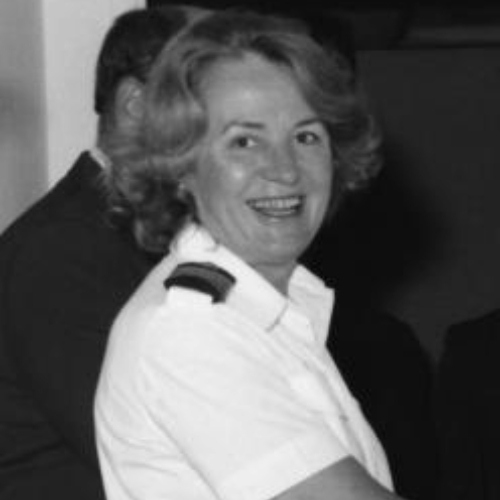
Larry Brilliant is an American physician and epidemiologist who joined the World Health Organization's program to eradicate smallpox in India in the 1970s. On his first trip into a village with smallpox, he went with epidemiologist Bill Foege, and he later helped lead a massive campaign in which health workers went door to door across India to find every remaining case and stop it from spreading. In October 1975, he was part of the team in Bangladesh that found and confirmed the last known natural case of variola major, the deadliest form of smallpox, in a three-year-old girl named Rahima Banu. Since then, Brilliant has continued a career in public health and technology, co-founding the Seva Foundation, a nonprofit that has helped restore sight to millions of people, and later serving as the first executive director of Google.org, Google's philanthropic arm.
Why He Matters
Larry Brilliant's work was part of the effort that made smallpox the only human disease ever completely wiped out. His story shows what is possible when epidemiologists combine scientific methods with enormous teamwork, coordinating with thousands of health workers to track down every last case of a disease. Brilliant often sums up the key lesson of the smallpox campaign as "early detection, early response," and in 2006 he won the TED Prize, wishing to build a global early-warning system for new disease outbreaks. For young people, his career shows that a coordinated effort, guided by careful epidemiology, can end a disease that threatened humanity for thousands of years.