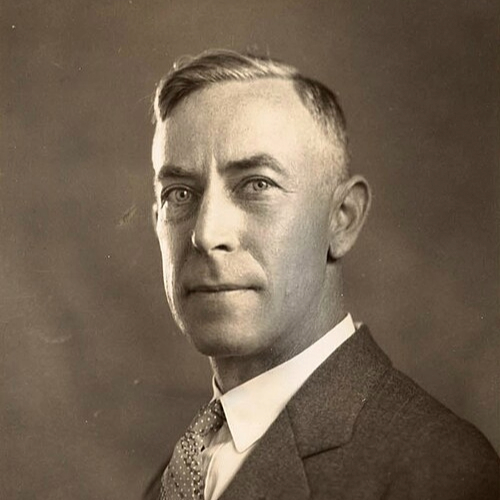
Photo: Federal Bureau of Investigation, Public domain, via Wikimedia Commons
Criminal Profiling and the FBI Behavioral Science Unit
Overview
In the early 1970s, two FBI agents named Howard Teten and Patrick Mullany began interviewing convicted violent offenders in federal prisons to understand how they thought and how their psychology showed up in the evidence they left behind. The unit they helped build, eventually known as the Behavioral Science Unit, developed criminal profiling, a method of analyzing crime scene evidence to develop a psychological description of an unknown offender. Two agents in particular, John Douglas and Robert Ressler, conducted hundreds of interviews with dangerous convicted offenders and turned what they learned into a systematic investigative methodology. Their work transformed how detectives approach cases involving unknown offenders and established behavioral analysis as a legitimate tool in criminal investigation.
Why It Matters
Criminal profiling changed the way detectives think about evidence. Before the Behavioral Science Unit, investigators focused almost entirely on the physical facts of a case. After that, the psychology behind those facts became equally important: not just what happened, but what kind of person would do this and why. That shift placed human behavior at the center of detective work in a way that had never been formalized before, opening an entirely new dimension of investigative thinking. The Behavioral Science Unit also demonstrated that understanding the people behind crimes requires the same rigor and discipline as analyzing physical evidence, and that the most effective investigators are students of both.