

#HashtagActivism: Networks of Race and Gender Justice (Mit Press)
Why we picked it
This well-researched account examines how marginalized groups use Twitter hashtags to build networks of dissent and advance counter-narratives, exploring the social and political power of online activism from #IranElection to #BlackLivesMatter.
Our review
This well-researched, nuanced study examines how marginalized groups use Twitter to advance counter-narratives and build diverse networks of dissent. From #IranElection in 2011 to #BlackLivesMatter and beyond, hashtag activism has transformed political organizing. A scholarly account of the networks, strategies, and real-world impact of social media as a tool for racial and gender justice.
Careers it connects to
Career pages on ImagineMyFuture that list this resource.
About this book
From the product listing
This well-researched, nuanced study of the rise of social media activism explores how marginalized groups use Twitter to advance counter-narratives, preempt political spin, and build diverse networks of dissent (Ms.) The power of hashtag activism became clear in 2011, when IranElection served as an organizing tool for Iranians protesting a disputed election and offered a global audience a front-row seat to a nascent revolution. Since then, activists have used a variety of hashtags, including JusticeForTrayvon, BlackLivesMatter, YesAllWomen, and MeToo to advocate, mobilize, and communicate. In this book, Sarah Jackson, Moya Bailey, and Brooke Foucault Welles explore how and why Twitter has become an important platform for historically disenfranchised populations, including Black Americans, women, and transgender people. They show how marginalized groups, long excluded from elite media spaces, have used Twitter hashtags to advance counternarratives, preempt political spin, and build diverse networks of dissent. The authors describe how such hashtags as MeToo, SurvivorPrivilege, and WhyIStayed have challenged the conventional understanding of gendered violence; examine the voices and narratives of Black feminism enabled by FastTailedGirls, YouOKSis, and SayHerName; and explore the creation and use of GirlsLikeUs, a network of transgender women. They investigate the digital signatures of the new civil rights movementthe online activism, storytelling, and strategy-building that set the stage for BlackLivesMatterand recount the spread of racial justice hashtags after the killing of Michael Brown in Ferguson, Missouri, and other high-profile incidents of killings by police. Finally, they consider hashtag created by allies, including AllMenCan and CrimingWhileWhite.
Resource details
- Resource type
- Book
- Age ranges
- High School
- Careers
- Social Media Manager
Related resources
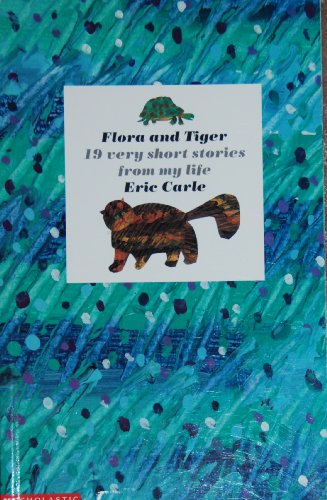
Flora and Tiger: 19 very short stories from my life
Why We Picked It
Nineteen short personal vignettes, each tracing a memory that formed Eric Carle: his father's animals, his father's drawings, his father's stories. A tender, autobiographical glimpse at the life that produced The Very Hungry Caterpillar.

Awesome Construction Activities for Kids
Why We Picked It
This hands-on activity book for ages 5 to 10 guides young builders through cup towers, railroad models, and beyond, introducing construction concepts through projects they fully design and complete themselves.
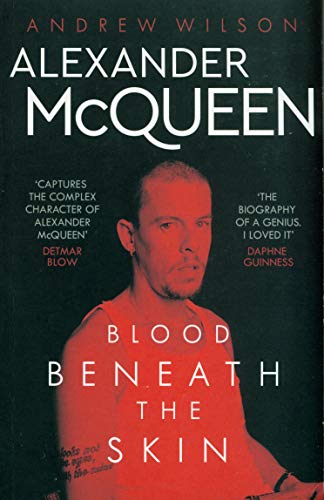
Blood Beneath the Skin
Why We Picked It
This compelling biography explores the brilliance, personal struggles, and fearless creative vision that made Alexander McQueen one of fashion's most original minds.

A Full Life: Reflections at Ninety
Why We Picked It
At ninety, Jimmy Carter reflects on his presidency, his faith, his marriage, and his decades of humanitarian work with disarming frankness, making this New York Times bestseller essential reading for high-schoolers studying American political life.