

Did You Know?
Technology is part of modern sports — athletes use video replay, fitness trackers, and data to improve performance and prevent injuries.
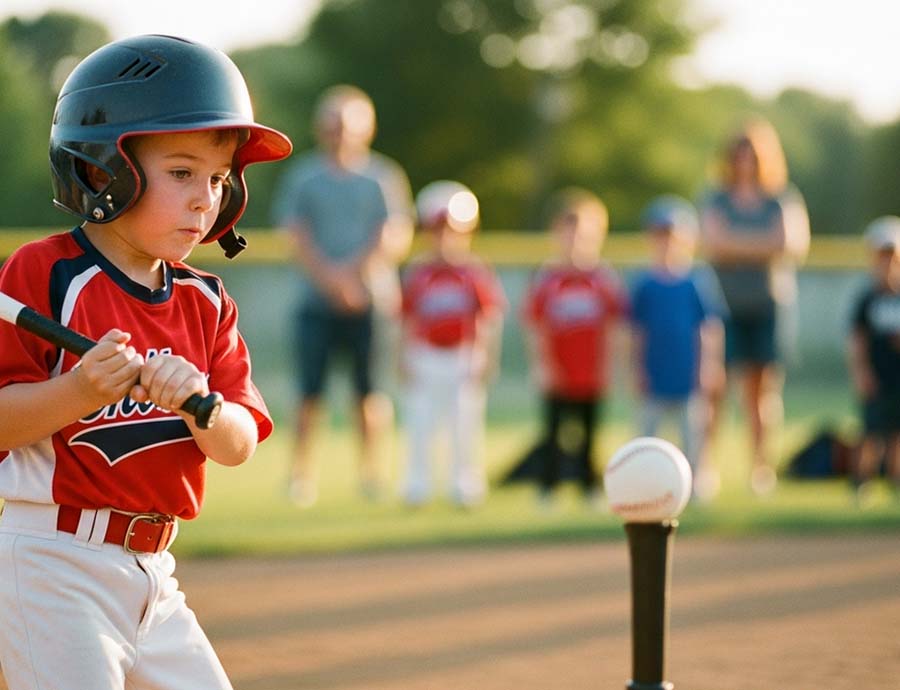
What Athletes Really Do
Imagine standing at the starting line of a race, your hands on the track, your eyes locked straight ahead. The crowd is loud, but you barely hear it because your whole body is focused on one thing: the sound of the starting signal. When it fires, your legs push off, and you are flying, doing something you have practiced hundreds of times but that still feels electric. That is what it feels like to be an athlete: your hard work and your body working together in a moment that matters.
Athletes train their bodies and minds to compete in sports like soccer, basketball, swimming, gymnastics, baseball, track and field, and many others. They spend hours every day practicing skills, building strength and speed, and learning to work with teammates and coaches to improve. Being an athlete is not just about winning games or races. It is about setting goals, pushing through days when your body is tired, learning from losses, and showing up ready to improve. The habits athletes build, including discipline, teamwork, and the willingness to keep going when things get hard, stay with them long after the game is over
You Might Love This If...
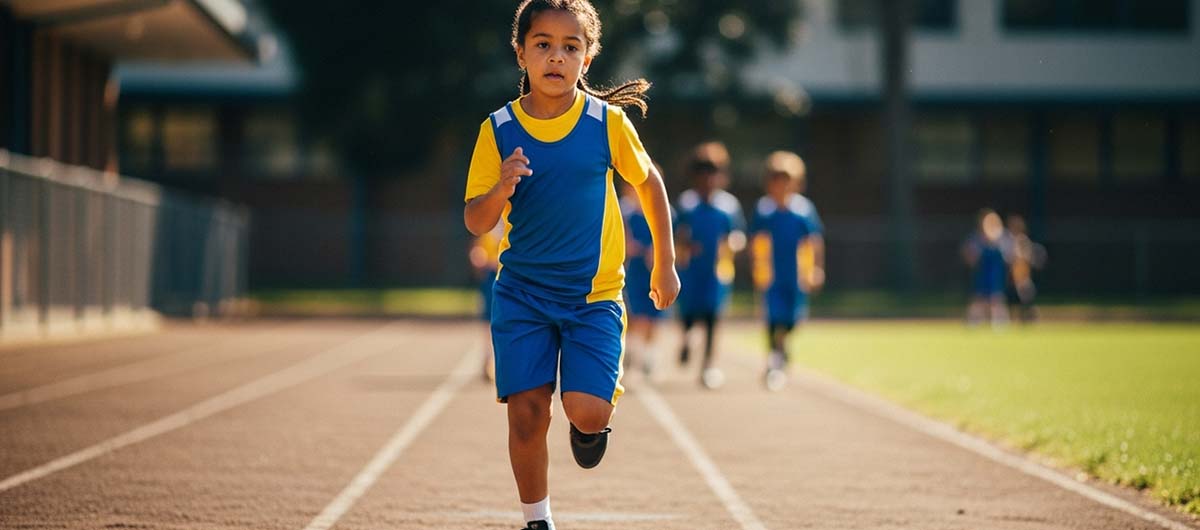
Skills That Follow You Everywhere
Being an athlete builds important skills that go far beyond competition. Athletes learn how to work with others, push through challenges, and adjust to new situations. These skills are valuable in school, future careers, and everyday life.
Resilience
Sports teach athletes how to handle setbacks, losses, and tough moments. Resilience helps athletes stay motivated, learn from mistakes, and keep improving even when progress feels slow. The ability to bounce back builds confidence and mental strength that carries into academics and future careers.
Adaptability
Athletes must adjust quickly to changing game situations, new strategies, different opponents, or unexpected challenges. Adaptability helps athletes stay focused, make smart decisions under pressure, and continue performing at a high level. This skill is valuable both in competition and in real-life problem-solving.
Teamwork
Athletes learn how to work toward shared goals by trusting and supporting their teammates. Teamwork means understanding different roles, communicating during competition, and putting the group's success first. Whether on the field, court, or track, strong teamwork helps athletes perform better and build lasting relationships.
Explore more resources for a future Athlete

The Boys in the Boat (Young Readers Adaptation): The True Story of an American Team's Epic Journey to Win Gold at the 1936 Olympics
Daniel James Brown
Why We Picked It
Career Connection
Olympic athletes train as unified teams where individual ego gives way to collective rhythm, and this story shows kids how trust and synchronization win at the highest levels of sport.

Who Is Michael Phelps? (Who Was?)
Micah Hecht
Why We Picked It
Career Connection
Competitive swimmers train twice a day and track performance in hundredths of a second, and Phelps' story shows kids the precise, data-driven dedication that Olympic-level sport demands.
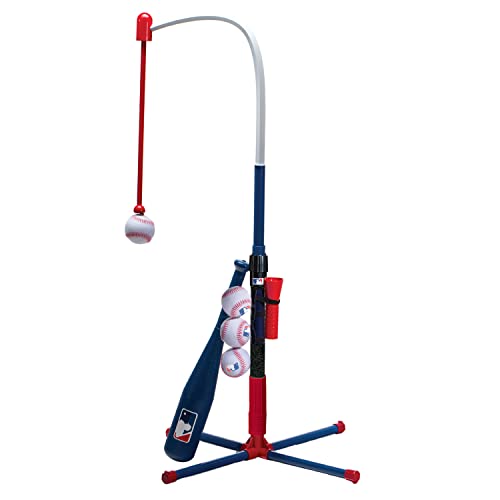
Franklin Sports Kids Baseball Tee - MLB 2-in-1 Grow-with-Me Tee Ball
Why We Picked It
Career Connection
Professional hitters credit thousands of hours of tee work for their swing mechanics, and this adjustable tee lets kids build the same foundational technique that carries players to the pros.